
English-Speaking Notary in Punta del Este | International Clients
Comment obtenir un visa touristique facilement avant de voyager – HumaGreen
Introduction
Planning an international trip involves much more than booking flights and choosing a hotel. Before you travel, you must ensure that your passport, visa, and other required documents meet the entry rules of your destination. Even a small mistake, such as an expired passport or an incorrect visa application detail, can delay your journey or prevent you from boarding your flight.
Passport and visa requirements vary depending on your nationality, destination, transit countries, and purpose of travel. Therefore, checking official immigration information before making final arrangements is one of the most important steps in international travel planning.
An international travel documents checklist helps you organize essential paperwork, verify passport validity, understand visa requirements, and prepare for unexpected situations. Furthermore, keeping secure copies of important documents can make it easier to resolve problems if your passport is lost or stolen abroad.
In this comprehensive guide, we explain ten essential passport and visa topics for international travelers. Whether you are applying for your first tourist visa, preparing for a family vacation, or traveling abroad for business, these practical tips will help you prepare more confidently.
1. International Travel Documents Checklist
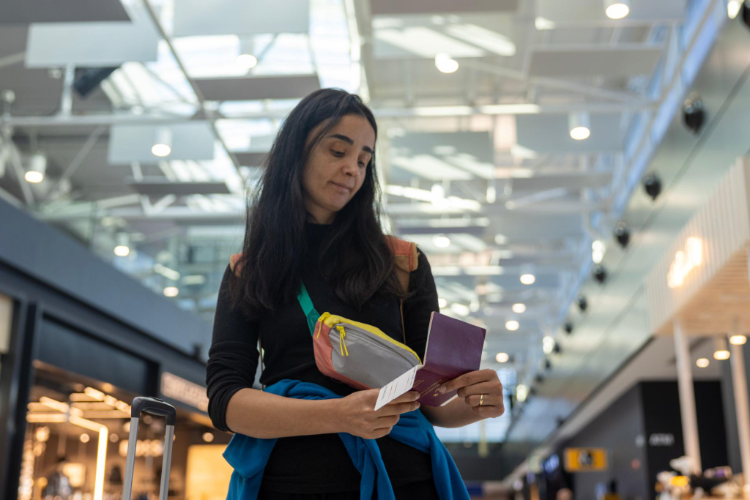
Preparing your travel documents in advance reduces last-minute stress and helps you avoid unnecessary delays. Although the exact requirements differ between countries, most international travelers should organize several essential documents before departure.
Start with a valid passport. Check that your personal details are correct and that the passport will remain valid for the period required by your destination. Some countries require validity for a specified number of months beyond arrival or departure, while others apply different rules.
Next, confirm whether you need a visa, electronic travel authorization, or another entry permit. Do not assume that a visa issued by one country automatically allows you to enter another. Additionally, check whether you need a transit visa for any airport where you change flights.
Use this checklist to prepare your documents:
- Valid passport that meets destination requirements.
- Approved visa or electronic travel authorization, if required.
- Confirmed flight tickets and travel itinerary.
- Accommodation bookings or a host’s invitation details, if required.
- Evidence of sufficient funds, when requested.
- Travel insurance documents, where required or appropriate.
- Return or onward travel details, if required.
- Copies of prescriptions or supporting medical documents, when relevant.
- Required vaccination or health documents, if applicable.
- Emergency contact information and copies of important documents.
Moreover, travelers visiting friends or relatives may need an invitation letter or the host’s address and contact details. Applicants attending conferences or business meetings might also require an invitation from an organization.
Keep your original documents in a secure travel wallet. Store encrypted digital copies separately, and share them only through trusted channels. However, remember that a photocopy or digital image does not replace an original passport when immigration officials require the physical document.
Finally, check the official government immigration website and your airline’s travel-document guidance before departure. Requirements can change, so confirm them again shortly before traveling.
2. How to Check Passport Validity Before Traveling
เตรียมตัวเดินทางต่างประเทศอย่างมือโปร! เคล็ดลับสำคัญที่คุณต้องรู้
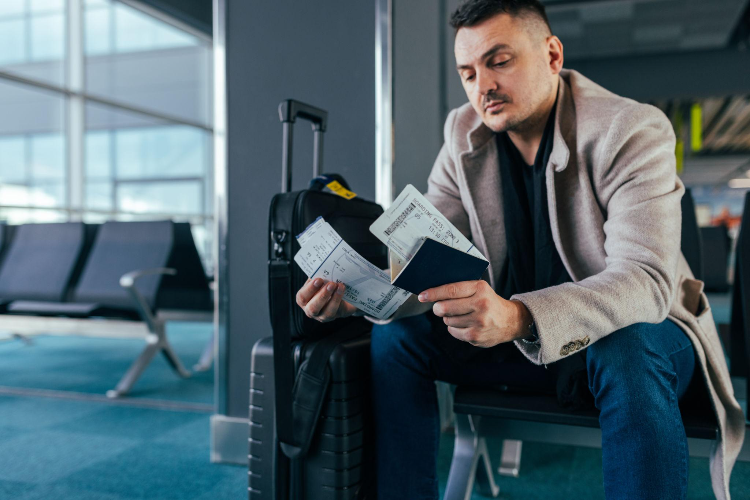
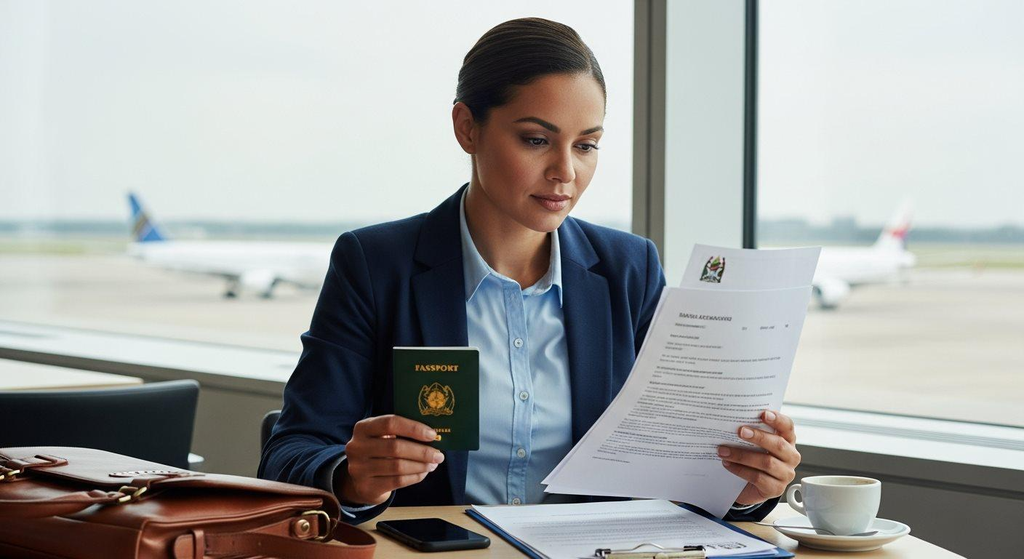
Passport validity is one of the most important details to check before booking an international trip. A passport can still be unexpired but fail to meet the entry requirements of a particular country.
First, locate the expiration date printed in your passport. Then compare it with your intended travel dates and the validity rules published by the destination country’s official immigration authority or embassy.
Some destinations require a passport to remain valid for six months beyond a specified date. Others may require three months, validity only for the duration of the intended stay, or a different period depending on nationality and circumstances. Consequently, never assume that the same rule applies everywhere.
You should also check the condition of your passport. Significant water damage, torn pages, a damaged identification page, or other serious deterioration may create problems during airline checks or border inspection.
In addition, make sure your passport has sufficient blank pages if your destination or transit countries require them for visas or entry and exit stamps. The number of required pages varies by country.
If your passport is approaching expiration, investigate renewal times before making nonrefundable bookings. Processing periods differ between countries and can become longer during busy travel seasons. Where available, expedited services may involve additional fees.
Travelers should also check that their name and other personal details match their airline booking and visa application. Differences in spelling or incorrect passport information can cause avoidable complications.
For a final verification, confirm your passport requirements for every country on your itinerary, including transit stops. This is particularly important if your flights involve separate tickets or an airport change.
Practical tip: Check your passport as soon as you begin planning your trip rather than waiting until the week of departure.
3. What Is a Travel Visa and How Does It Work?
A travel visa is an authorization issued by a country that allows a foreign national to seek entry or travel under specified conditions. Depending on the country and visa type, it may be issued as a sticker in a passport, a separate document, or an electronic record.
A visa does not always guarantee admission. Border officials may still check your identity, travel purpose, supporting documents, and compliance with the country’s entry requirements when you arrive.
Visa rules depend on your nationality, destination, reason for travel, and intended length of stay. For example, a person visiting for tourism may face different requirements from someone traveling to work, study, or join family members.
Common visa categories include tourist visas, business visas, student visas, work visas, transit visas, and family or visit visas. Each category has specific conditions that travelers must follow.
The application process often involves identifying the correct visa category, completing a form, submitting documents, paying a fee, and sometimes attending an interview or providing biometric information. Processing times vary, so you should apply within the period recommended by the relevant embassy or immigration authority.
After approval, carefully review the visa’s details. Check your name, passport number, validity dates, permitted entries, and any restrictions. A visa may allow a single entry or multiple entries, and its validity period may differ from the maximum length of stay permitted on each visit.
Furthermore, do not overstay or undertake activities prohibited by your visa. If your plans change, check the official rules before extending your stay or changing your travel purpose.
For reliable information, use the destination country’s official immigration website or embassy rather than relying exclusively on travel blogs or third-party agents.
4. Tourist Visa vs. Visit Visa: What’s the Difference?
Tourist visas and visit visas are often confused because their names and permitted activities can overlap. However, their exact meanings depend on the country issuing them, so it is important to read the official conditions instead of relying on the visa label alone.
A tourist visa generally allows someone to enter a country for leisure, sightseeing, holidays, or other permitted tourism activities. For example, you might use one to explore historical attractions, visit beaches, attend cultural events, or spend a short vacation abroad.
A visit visa, on the other hand, may be used for visiting friends or relatives. In some countries, the term also covers certain short-term personal visits or other activities permitted under that country’s immigration rules. In other destinations, tourism and family visits fall under the same visa category.
Consider the following comparison:
| Feature | Tourist visa | Visit visa |
|---|---|---|
| Common purpose | Holidays and sightseeing | Visiting friends or relatives, depending on local rules |
| Supporting documents | Itinerary, accommodation details, and financial evidence, if required | May include a host’s invitation and residential details |
| Permitted stay | Determined by the issuing country | Determined by the issuing country |
| Work permission | Generally not permitted unless specifically authorized | Generally not permitted unless specifically authorized |
| Application rules | Depend on nationality and destination | Depend on nationality, destination, and visit purpose |
For either category, you may need to provide proof of sufficient funds, evidence of your intention to leave at the end of your authorized stay, and details of where you will stay. Applicants visiting family members may also be asked for an invitation letter or information about their host.
Moreover, a visa’s validity period does not necessarily indicate how long you can remain in the country. For instance, a visa valid for several months might authorize a shorter stay on each visit.
Before applying, explain your actual travel purpose honestly and select the correct category. If you plan to attend business meetings, study, work, or undertake another activity, check whether a different visa is necessary.
5. What Is an E-Visa and How Can You Apply?
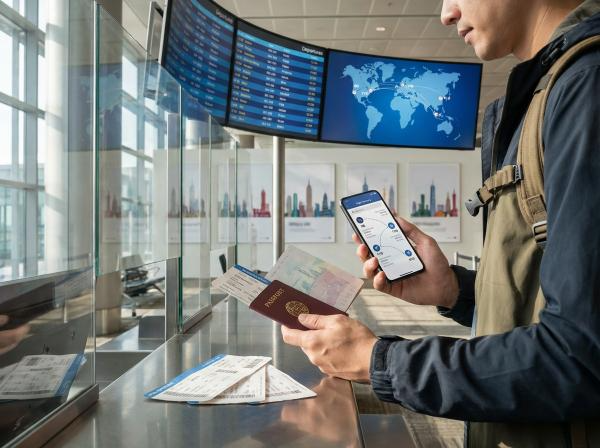
An electronic visa, commonly called an e-visa, is a visa processed through an online system. Instead of completing the entire application process through a paper-based procedure, eligible travelers submit information and supporting documents electronically.
E-visas can make applications more convenient because you may be able to apply from home without visiting an embassy for every step. Nevertheless, some systems still require an appointment, biometric information, or additional verification.
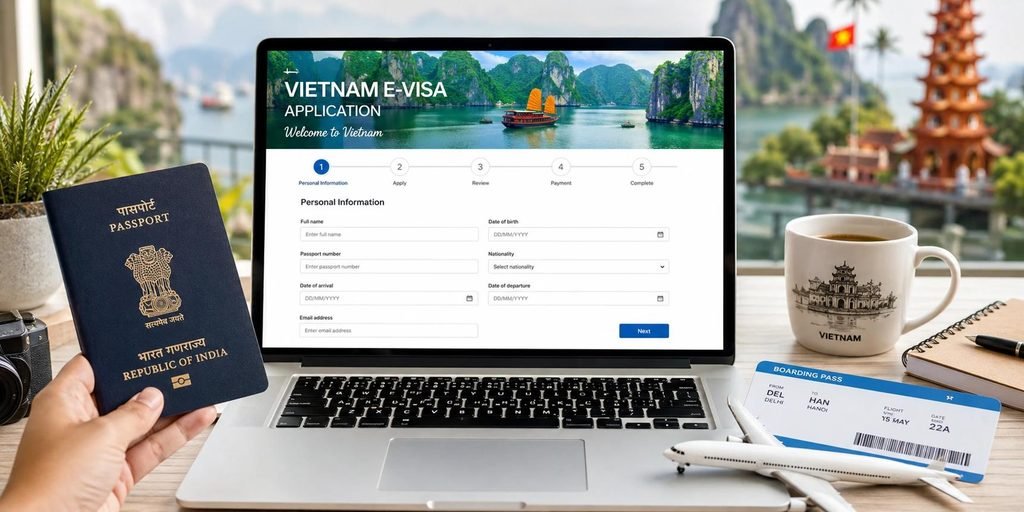
How to Apply for Vietnam Visa from India Online
The process usually begins by visiting the destination country’s official e-visa portal. Confirm that your nationality is eligible and that the system offers the correct visa category for your travel purpose.
Next, complete the application form carefully. You may need to provide your passport details, personal information, travel dates, accommodation address, and supporting documents. Depending on the country, you might also be asked to upload a passport photograph, a passport scan, proof of funds, or a travel itinerary.
After completing the form, review every field before submitting it. Even a small error in a passport number or name can cause processing delays or create problems during travel.
Pay the required fee through the authorized payment method, if applicable. Then save your application reference number and monitor the official portal or email account for updates.
If your application is approved, follow the instructions provided by the issuing authority. Some countries require travelers to print the approval, while others accept electronic verification. Carrying a printed copy can still be a useful backup when recommended by the authority.
Be careful with unofficial websites that charge unnecessary service fees or imitate government portals. Although legitimate visa agents exist, verify their credentials before sharing personal information or payment details.
Finally, apply with sufficient time before departure. Processing times vary, and an application submission confirmation does not mean that your visa has been approved.
6. What Happens If Your Passport Expires Abroad?
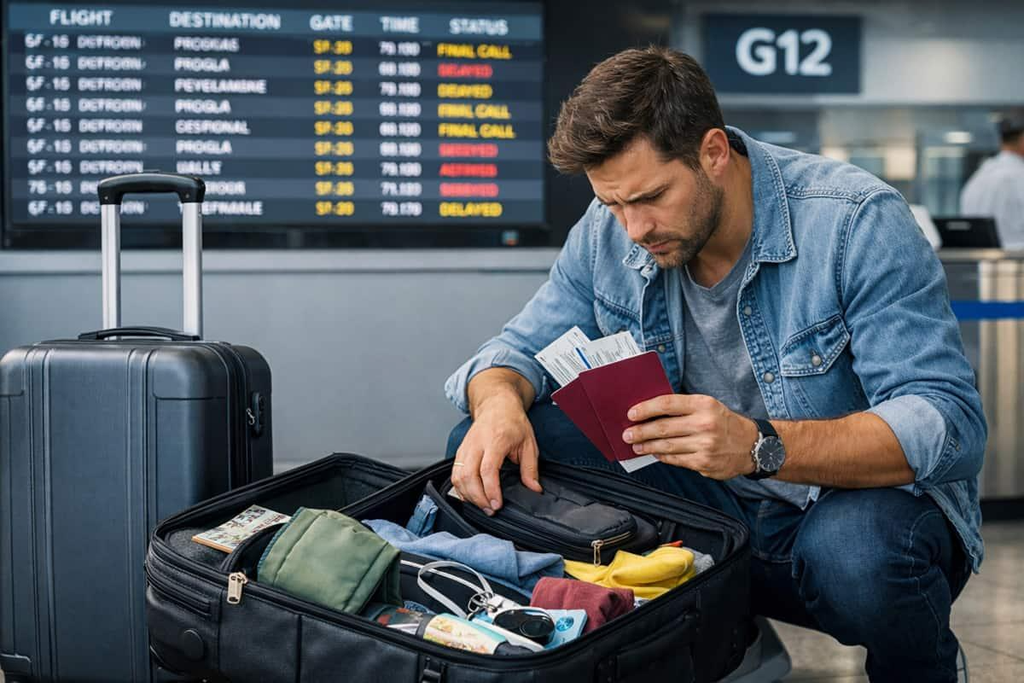
Discovering that your passport has expired while you are abroad can be stressful. However, there are steps you can take to resolve the situation and arrange the appropriate travel documents.
First, contact your country’s embassy or consulate in the country where you are staying. If your country does not have a local embassy, its official foreign ministry website may identify the responsible diplomatic mission in another country.
Explain your circumstances and ask which options are available. Depending on your nationality and situation, you may be eligible to apply for a new passport or an emergency travel document.
The diplomatic mission will explain the documents you need. These may include proof of identity or citizenship, passport photographs, a copy of your expired passport, an application form, and payment of applicable fees. Requirements and processing times differ between countries.
Next, check whether you need to contact local immigration authorities. An expired passport can affect your legal stay, so do not assume that obtaining a replacement document automatically resolves every immigration issue.
If you have a return flight booked, contact your airline to explain the situation and ask about changing your reservation. However, do not purchase another ticket until you understand the travel-document requirements and likely processing timeline.
An emergency travel document may permit a specific journey, such as returning home, but it may not be accepted for ordinary travel to every destination. Therefore, confirm the permitted route and conditions with the issuing authority and airline.
To reduce the risk of this situation, check passport expiration dates several months before traveling. Additionally, keep a secure copy of your passport details and know how to contact your country’s nearest diplomatic mission.
7. How to Protect Your Passport While Traveling
Your passport is one of your most important travel documents. It proves your identity and nationality for international travel, and replacing a lost or stolen passport can be time-consuming. Fortunately, a few sensible precautions can reduce the risk of problems.
First, choose a secure place to store your passport. Depending on the destination and your accommodation, this could be a hotel safe or another reliable, locked storage location. However, consider local laws and situations where you are required to carry identification.
When carrying your passport, use a secure travel pouch or an inside pocket rather than leaving it in an easily accessible outer pocket. Keep your bag zipped and remain alert in crowded transport hubs, markets, and tourist areas.
You should also avoid leaving your passport unattended in vehicles, cafés, or shared accommodation. Even a brief lapse in attention can result in loss or theft.
Make a digital copy of the identification page and any relevant visa documents. Store it in a secure account with appropriate access protection, and keep a separate offline copy if practical. Do not post passport photographs on public social media or send them to unverified contacts.
Additionally, consider keeping a paper copy separate from your original passport. This can help you recall document details when reporting a loss, although it does not replace the original document.
If accommodation staff request your passport for a legitimate registration process, follow local requirements while taking reasonable steps to protect your document. Ask whether a copy is acceptable where permitted, and understand how and when the original will be returned.
Finally, be cautious when using public Wi-Fi to access sensitive accounts. Use trusted networks where possible and avoid sending passport scans through unsecured channels.
8. What to Do If You Lose Your Passport in Another Country
Losing your passport abroad can disrupt your plans, but taking the right steps quickly can make the replacement process easier.
Begin by checking your immediate surroundings. Contact your hotel, transport provider, airline, or the venue where you last remember having the document. If you believe the passport was stolen, report the incident to local police when appropriate and request a report or reference number if available.
Next, contact your country’s embassy or consulate. Explain whether the passport was lost, stolen, or damaged, and ask about the process for obtaining a replacement passport or emergency travel document.
You will generally need to provide identifying information. Depending on the authority’s rules, this could include a passport copy, another form of identification, proof of citizenship, photographs, an application form, and relevant fees. If you do not have copies, the embassy can explain what alternative evidence may be accepted.
You should also notify your airline if your departure date is approaching. Ask whether your booking can be changed while you arrange replacement documents.
Furthermore, contact the relevant immigration authority if your lost passport contained a visa or residence permit. You may need to report the missing document, obtain a replacement visa, or follow another procedure before leaving or continuing your journey.
Avoid making assumptions about border-crossing rules. An emergency document may be valid only for travel to your home country, and transit countries may impose additional requirements.
Keep records of all reports, applications, appointments, and receipts. These can help you track the process and explain your circumstances to the relevant authorities.
Once you receive your replacement document, verify its details and confirm that your travel route is permitted before going to the airport. Although losing a passport is inconvenient, contacting official authorities promptly is usually the safest way to move forward.
9. How to Prepare Documents for a Tourist Visa Application
A well-organized tourist visa application helps the reviewing authority understand your identity, travel plans, financial situation, and reason for visiting. Although requirements vary by destination, preparing your documents carefully can reduce avoidable delays.
Start by downloading the official checklist for your nationality and visa category. Read the instructions before collecting documents because different countries may require different forms, translations, photographs, or supporting evidence.
Commonly requested documents include:
- A valid passport that meets the destination’s requirements.
- A completed visa application form.
- Passport-size photographs that meet the specified standards.
- A travel itinerary or proposed travel dates.
- Accommodation reservations or host details, where required.
- Financial evidence, such as bank statements or other accepted proof of funds.
- Employment, business, or education documents, when requested.
- Travel medical insurance, if required.
- An invitation letter for certain types of visits.
- Evidence of onward or return travel, where required.
Next, ensure that your supporting documents are consistent. For example, your intended travel dates should match your itinerary, and your personal details should match your passport. If someone else is paying for your trip, check whether the embassy requires a sponsorship letter and financial documents from that person.
If documents are not in the accepted language, you may need certified translations. Confirm the specific translation and authentication rules before paying for these services.
Additionally, make sure your financial evidence meets the requirements. Do not assume that a particular bank balance guarantees visa approval. Authorities may consider the cost of your proposed trip, your income, the length of your stay, and other relevant circumstances.
Submit your application through the authorized process and keep copies of your paperwork. If an interview is required, answer questions honestly and ensure that your explanation matches the information in your application.
Finally, allow sufficient processing time. Avoid relying on an unconfirmed visa approval when making nonrefundable travel arrangements.
10. Common Visa Application Mistakes and How to Avoid Them
Visa applications can be delayed or refused for several reasons. While no checklist can guarantee approval, avoiding common mistakes helps you submit a clearer and more complete application.
Incorrect personal information: A spelling error, incorrect passport number, or inconsistent date of birth can create problems. Therefore, compare every field with your passport before submitting the form.
Choosing the wrong visa category: Applying for a tourist visa when your actual purpose is work or study may lead to refusal or immigration problems. Always select the category that matches your intended activities.
Incomplete documentation: Missing bank statements, photographs, invitation letters, or other required evidence can delay processing. Use the official checklist and verify every requirement before submission.
Weak or unclear travel plans: If supporting information is required, ensure that your itinerary and accommodation details are consistent with your stated purpose. Do not submit fabricated bookings or misleading information.
Insufficient financial evidence: Some applicants provide documents that do not adequately explain how they will fund the trip. Follow the destination’s financial-document requirements and provide genuine, relevant evidence.
Applying too late: Processing can take longer than expected, particularly during busy periods. Apply within the recommended timeframe and allow additional time for appointments or supplementary document requests.
Using unofficial websites: Fraudulent websites may imitate government portals or promise guaranteed approvals. Use official government sources or carefully verify an authorized visa service before sharing sensitive information.
Ignoring visa conditions: Approval does not mean you can remain indefinitely or undertake any activity. Read the permitted stay, entry conditions, and restrictions carefully.
Failing to disclose relevant information: Answer all questions honestly and follow instructions about previous refusals or other requested details. Misrepresentation can have serious consequences.
Before submitting, review your application from beginning to end. Confirm that all required documents are attached, fees are paid through an authorized channel, and your contact details are correct.
If your application is refused, read the decision notice carefully. It may explain the reasons and whether reconsideration, an appeal, or a new application is possible. Follow the official instructions rather than immediately submitting another application with the same unresolved issues.
Conclusion
Preparing your passport and visa documents is one of the most important parts of planning a successful international trip. By checking passport validity, selecting the correct visa category, organizing supporting paperwork, and following official application instructions, you can reduce avoidable travel complications.
Furthermore, protecting your passport and knowing what to do if it expires or goes missing abroad can help you respond more confidently to unexpected situations.
Remember to verify requirements for your destination and transit countries before departure because immigration rules can change. Ultimately, careful document preparation gives you a stronger foundation for a safer, smoother, and more confident international journey.
Frequently Asked Questions About Passports and Visas
Most international travelers need a valid passport and, where applicable, a visa or electronic travel authorization. Depending on the destination, you may also need flight details, accommodation information, proof of funds, travel insurance, or health documents. Always check the official entry requirements for your nationality and itinerary.
There is no single rule for every country. Some destinations require six months of remaining validity, while others apply different requirements. Check the official rules for your destination and any transit countries before booking your trip.
Yes, if your e-visa has been approved, remains valid, and permits your intended trip. Follow the issuing authority’s instructions about printing or presenting the approval. You should also confirm that your passport details match the e-visa and that you meet all entry requirements.
Time needed: 9 minutes
Prepare for international travel with a complete documents checklist, passport validity tips, visa application guidance, e-visa advice, and lost passport solutions.
- What should I do if I lose my passport abroad?
Contact your country’s embassy or consulate as soon as possible. Report the loss or theft to local police when appropriate, gather any available identification documents, and ask about obtaining a replacement passport or emergency travel document. Contact immigration authorities if your visa or legal stay may be affected.

Perfect For:
Personal Finance Management
Family Budget Planning
Students & Professionals
Freelancers & Small Business Owners
Daily Expense Tracking
Savings & Financial Goal Management
TrackInvestments
Download > Expense Finance Tracker pro
https://play.google.com/store/apps/details?id=com.app.ExpenseFinanceTrackerPro&pcampaignid=web_share