Introduction
Keywords are one of the foundations of search engine optimization (SEO). They help search engines understand what a webpage is about and help website owners create content that matches what people are searching for online.
For example, someone looking for an image editing tool might search for phrases such as “free image resizer,” “resize image online,” or “how to resize a photo without losing quality.” These search phrases are keywords that can guide the content and structure of a website.
Understanding how keywords work can help you create more relevant articles, improve your website’s visibility, and attract visitors who are genuinely interested in your content.
In this guide, you will learn what keywords are in SEO, the different types of keywords, practical examples, and how to use them naturally in your website content.
What Are Keywords in SEO?
SEO keywords are words and phrases that describe the subject of a webpage and relate to the searches people enter into search engines such as Google and Bing.
For example, if you publish an article about improving website speed, relevant keywords might include:
- Website speed optimization
- How to speed up a website
- Improve website loading time
- Website performance tips
- Fast-loading WordPress website
These phrases help communicate your page’s topic to search engines and readers.
A keyword can be a single word, such as “SEO,” or a longer phrase, such as “SEO tips for beginners.”
Keywords and keyphrases: In SEO, the terms are often used interchangeably. A keyphrase usually refers to a combination of words that describes a specific search topic.
Why Are Keywords Important for SEO?
Choosing relevant keywords helps you create content that meets the needs of your target audience.
Here are some important benefits:
- Better content relevance: Keywords help you understand what information your audience expects.
- Improved search visibility: Relevant content may become eligible to appear for related search queries.
- More targeted visitors: Specific keywords can attract people who are interested in your topic.
- Better content planning: Keyword research helps you discover new article ideas.
- Stronger website structure: Related keywords help you organize articles into useful topic groups.
- Improved user experience: Content that addresses the right search topic makes it easier for visitors to find answers.
Remember that adding keywords alone does not guarantee higher rankings. Content quality, search intent, website accessibility, competition, and many other factors also matter.
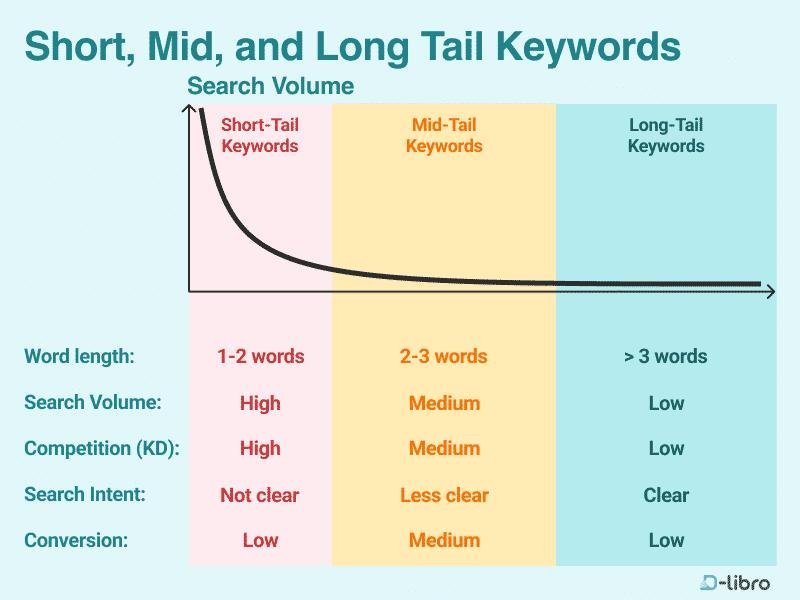
Types of Keywords in SEO
Different keywords serve different purposes. Understanding these types can help you select the right phrases for your pages.
1. Short-Tail Keywords
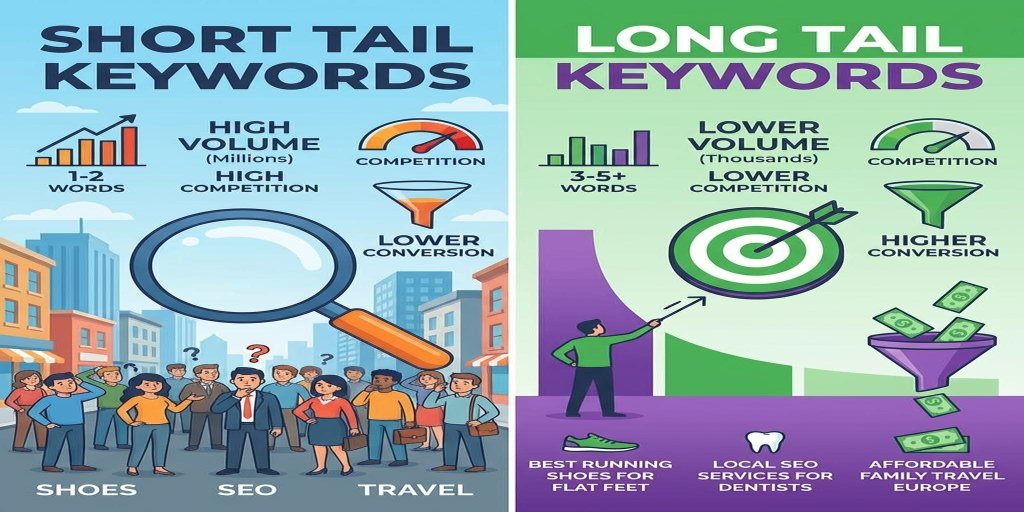
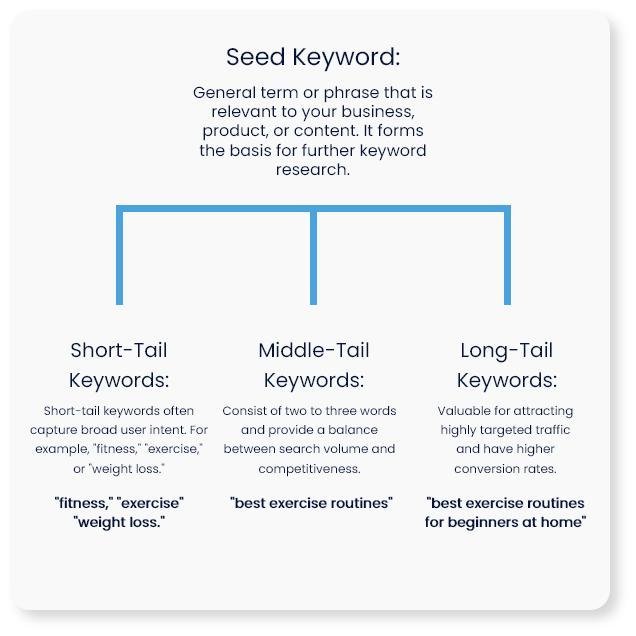
Short-tail keywords are broad search terms that usually contain one or two words.
Examples:
- SEO
- WordPress
- Online tools
- Digital marketing
- Image editing
These keywords can have high search demand, but they are often highly competitive and may have unclear search intent.
2. Long-Tail Keywords
Long-tail keywords are more specific phrases that usually contain several words.
Examples:
- Best free SEO tools for beginners
- How to resize images online without losing quality
- How to improve WordPress website speed
- Free PDF compressor for large documents
Long-tail keywords can help you target specific questions and needs. They may have lower search volumes than broad keywords, but their more specific intent can make them valuable.
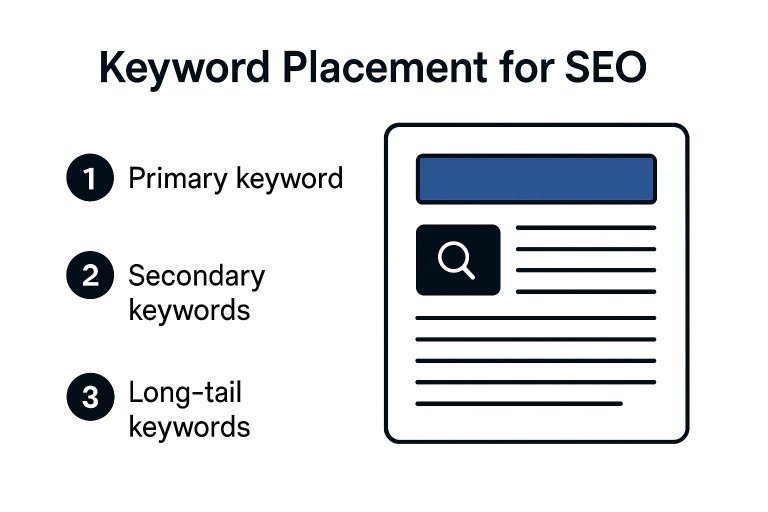
3. Primary Keywords
A primary keyword is the main search phrase that describes the central topic of a webpage.
For example, if your article explains how to compress PDF files, your primary keyword could be:
PDF compressor online
Choose one clear primary topic for each page so visitors and search engines can understand its purpose.
4. Secondary Keywords
Secondary keywords are closely related phrases that support the main topic.
For a page targeting “PDF compressor online,” secondary keywords might include:
- Compress PDF files
- Reduce PDF file size
- Free PDF compression tool
- Online document compressor
Use these phrases naturally when they fit the content. You do not need to force every related keyword into the article.
5. Branded Keywords
Branded keywords include a company, product, or website name.
Examples:
- BesterPost SEO tools
- Microsoft Word download
- Adobe PDF editor
These searches are often used by people who already know a particular brand.
6. Non-Branded Keywords
Non-branded keywords do not contain a specific brand name.
Examples:
- Free online PDF tools
- Best keyword research methods
- How to improve website rankings
They can help you reach people who are discovering your website for the first time.
Keywords Based on Search Intent
Search intent describes the reason behind a person’s search. Understanding it is essential when selecting keywords.
| Search intent | Meaning | Example |
|---|---|---|
| Informational | Looking for knowledge | What are SEO keywords? |
| Navigational | Finding a specific website or page | Google Search Console login |
| Commercial | Comparing products or services | Best SEO tools for beginners |
| Transactional | Ready to take an action | Buy website hosting |
Before creating content, search your chosen phrase and examine the type of pages appearing in the results. This can help you understand what searchers expect.
How to Use Keywords in Your Website Content
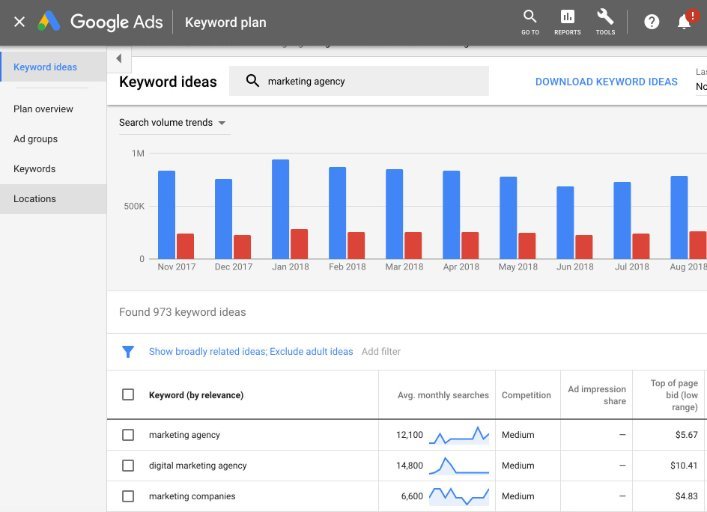
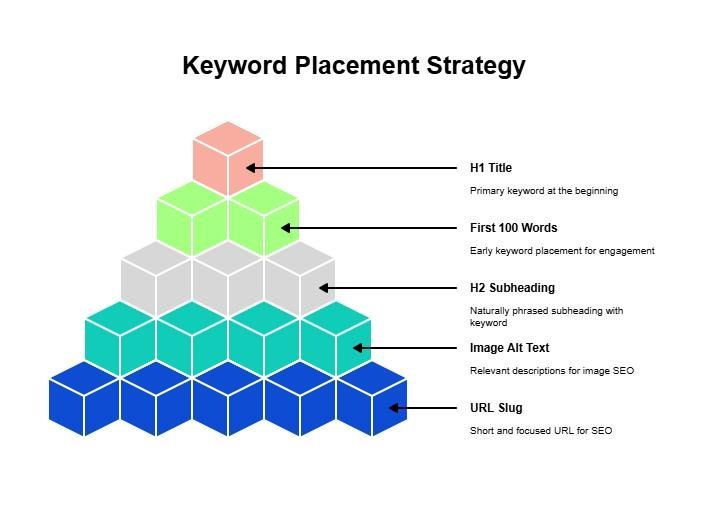
Once you have selected relevant keywords, place them naturally in important parts of your webpage.
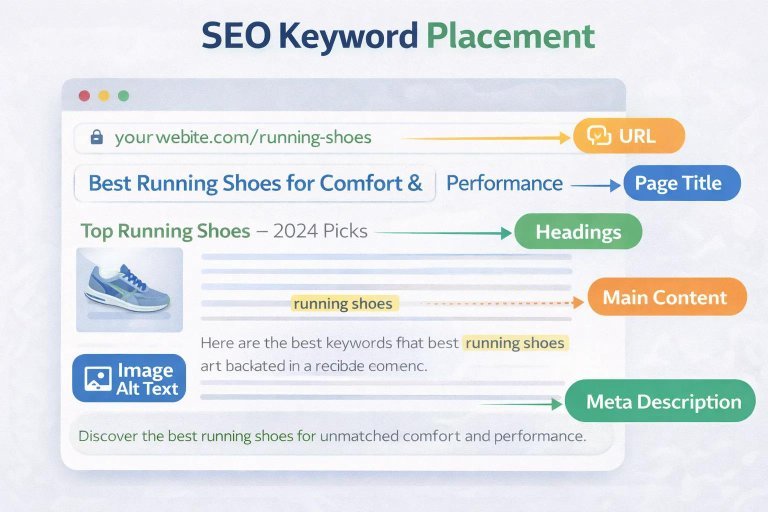
1. Use Your Main Keyword in the SEO Title
Your SEO title should clearly describe the page.
Example:
Primary keyword: What Are Keywords in SEO
SEO title: What Are Keywords in SEO? Types, Examples, and Uses
Write titles that are useful and descriptive rather than repeating the same phrase unnecessarily.
2. Include the Keyword in Your Main Heading
Your H1 heading should explain the subject of the page.
Example:
What Are Keywords in SEO? Types, Examples, and How to Use Them
Use a clear heading structure so readers can understand the organization of your article.
3. Add Keywords Naturally in the Introduction
Mention the main topic early when it fits naturally.
For example:
“Understanding what keywords are in SEO can help website owners create relevant content and reach people searching for their products, services, or information.”
Avoid repeating the exact phrase in every sentence.
4. Use Related Keywords in Subheadings
Related phrases can help you cover different aspects of a topic.
For example, an article about SEO keywords could include headings such as:
- Types of SEO Keywords
- How to Find Relevant Keywords
- Long-Tail Keyword Examples
- How to Use Keywords Naturally
Only use headings that introduce genuinely useful information.
5. Create a Short, Descriptive URL
A simple URL makes the page easier to understand and share.
Example:
example.com/seo-keywords/
Avoid unnecessarily long URLs filled with repeated keywords.
6. Write a Helpful Meta Description
A meta description summarizes the page for searchers and may appear as the search result snippet.
Example:
“Learn what SEO keywords are, explore different keyword types, and discover practical ways to use them naturally in website content.”
Google may generate a different snippet. Meta descriptions can help communicate page relevance and encourage clicks, but they are not a direct Google ranking factor.
7. Use Keywords in Image Alt Text When Appropriate
Alt text should describe the actual image for accessibility and understanding.
For example, if an image shows a keyword research dashboard, suitable alt text could be:
“Keyword research dashboard displaying search phrases and SEO metrics.”
Do not add unrelated keywords to image descriptions.
Keyword Placement: Practical Example
Imagine you are publishing an article about free image resizing tools.
Example SEO content setup
PRIMARY KEYWORD
Free Image Resizer
SEO TITLE
Free Image Resizer Online – Resize Photos Easily
URL
example.com/free-image-resizer/
RELATED KEYWORDS
- Resize images online
- Online photo resizer
- Change image dimensions
- Free picture resizing tool
SUGGESTED HEADINGS
- How to Resize an Image Online
- Supported Image Formats
- How to Change Image Dimensions
- Frequently Asked Questions
This approach creates a clear topic without forcing keywords into every paragraph.
What Is Keyword Density?
Keyword density refers to how frequently a particular keyword appears in a piece of content compared with the total number of words.
For example, if a keyword appears five times in a 1,000-word article, its simple keyword density is 0.5%.
However, there is no universally required keyword density percentage for Google rankings. You do not need to repeat a keyword a specific number of times.
Instead:
- Use the main phrase where it naturally belongs.
- Include related terms when they improve explanations.
- Avoid awkward repetition.
- Focus on answering the reader’s questions.
- Review your content for readability.
Natural writing is more valuable than trying to achieve an arbitrary keyword percentage.
Common Keyword Mistakes to Avoid
Avoid these common mistakes when optimizing website content:
- Keyword stuffing: Repeating the same phrase excessively can make content difficult to read.
- Targeting irrelevant keywords: Choosing a popular phrase that does not match your page can attract the wrong audience.
- Ignoring search intent: An informational article may not satisfy someone looking to purchase a product.
- Using the same primary keyword on every page: Similar pages may compete with one another, creating keyword cannibalization.
- Writing for search engines only: Content should provide genuine value to readers.
- Ignoring keyword variations: Related phrases can help you cover a topic more completely.
- Choosing keywords based only on search volume: Competition, relevance, and search intent also matter.
Useful Free Tools for Finding and Managing Keywords
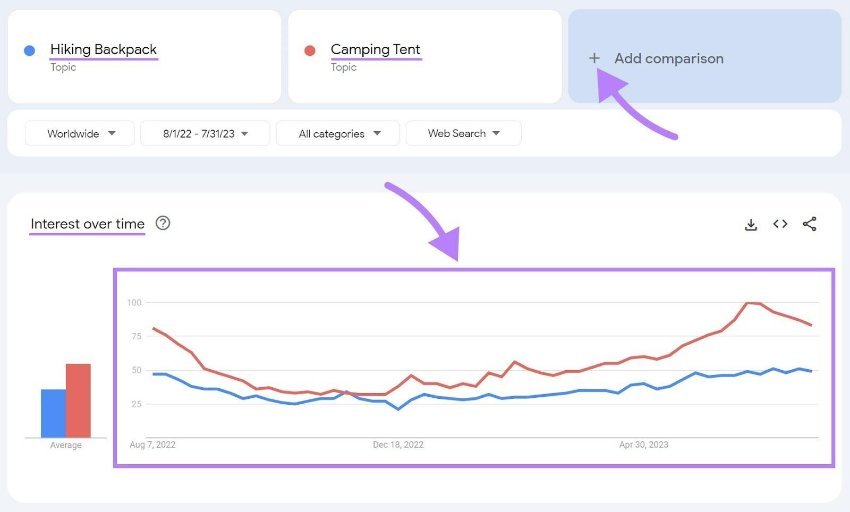
You can use several tools to discover keyword ideas and understand search demand.
| Tool | How it helps |
|---|---|
| Google Keyword Planner | Discover keyword ideas and estimated search demand |
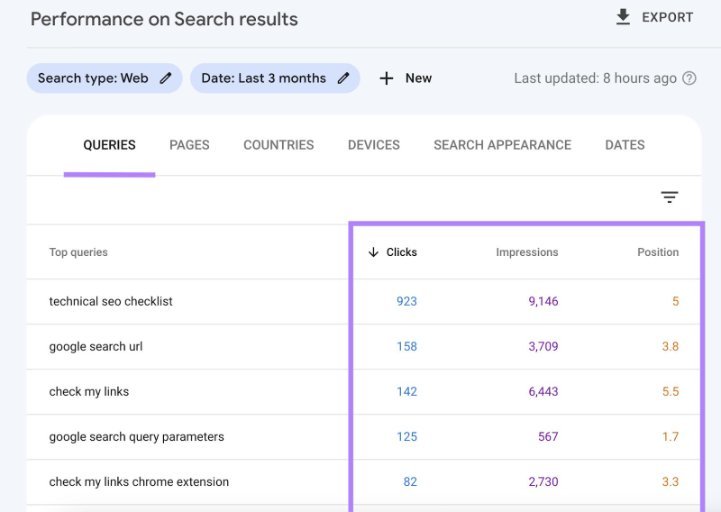
| Google Search Console | Find queries that already bring visitors to your website |
| Google Trends | Compare search interest over time |
| Ahrefs | Explore keyword ideas and competitor research |
| Ubersuggest | Research keyword suggestions and SEO opportunities |
Some tools offer free features alongside paid plans. Always review the available limits before relying on a particular feature.
Conclusion
Keywords help connect your website content with the information people search for online. By understanding short-tail and long-tail keywords, primary and secondary phrases, branded searches, and search intent, you can build a more effective SEO strategy.
Start by selecting a relevant primary keyword, researching related phrases, and creating useful content that answers visitors’ questions. Place keywords naturally in your titles, headings, URLs, and page content without overusing them.
Remember that successful SEO is not about repeating keywords as many times as possible. It is about understanding your audience and publishing helpful, relevant, well-structured information.
Next article – Article 6: What Is Search Intent in SEO? Types, Examples, and How to Optimize Content
Frequently Asked Questions (FAQs)
Keywords are words and phrases related to a webpage’s topic. They help website owners understand search demand and create content relevant to what people are looking for.
A primary keyword describes the main topic of a page. Secondary keywords are related phrases that support the topic and help cover additional details.
There is no ideal keyword density that guarantees better rankings. Focus on natural language, topic relevance, and useful information instead of repeating phrases.
Time needed: 5 minutes
Learn what keywords are in SEO, explore keyword types and examples, and discover how to use them naturally to improve website content.
- Where should I place my primary keyword?
Use it naturally in important areas such as the SEO title, main heading, introduction, URL when appropriate, and relevant sections of your content.
#Types of SEO keywords
#SEO keyword examples
#How to use keywords in SEO
#Primary and secondary keywords
#Long-tail keywords