Introduction
Have you ever searched Google for something and noticed that the top results are mostly tutorials, product reviews, comparison pages, or online shopping websites? This happens because search engines try to understand what users want when they enter a search query.
In SEO, this concept is called search intent. It describes the reason behind a person’s search.
Understanding search intent is essential for creating content that matches what visitors expect to find. Even if you choose a relevant keyword, your page may struggle to perform well if its content does not satisfy the searcher’s actual needs.
In this guide, you will learn what search intent is, its four main types, practical examples, and how to optimize your website content for better relevance and organic traffic.
What Is Search Intent in SEO?
Search intent, also known as user intent, is the purpose behind a search query entered into a search engine.
For example, someone searching for “what is SEO” probably wants an explanation. Someone searching for “best SEO tools” may want to compare different products. Meanwhile, someone searching for “buy SEO software” may be ready to purchase.
Although these searches relate to SEO, they require different types of content.
Search engines analyze search queries and other signals to provide results that are likely to satisfy users.

Why Is Search Intent Important for SEO?
Understanding search intent helps you create content that answers the right questions and meets visitors’ expectations.
Here are some important benefits:
- Better content relevance: You can create pages that match what users actually want.
- Improved user experience: Visitors can find useful information without searching through unrelated content.
- Better keyword selection: You can identify whether a keyword deserves a blog post, landing page, product page, or tool page.
- Stronger content planning: Search intent helps organize your website around different user needs.
- More qualified traffic: Relevant content can attract visitors who are interested in your information, products, or services.
- Better conversion opportunities: Pages designed around commercial or transactional intent can help visitors take meaningful actions.
Search intent optimization does not guarantee rankings, but it helps make your content more useful and relevant.
Four Main Types of Search Intent
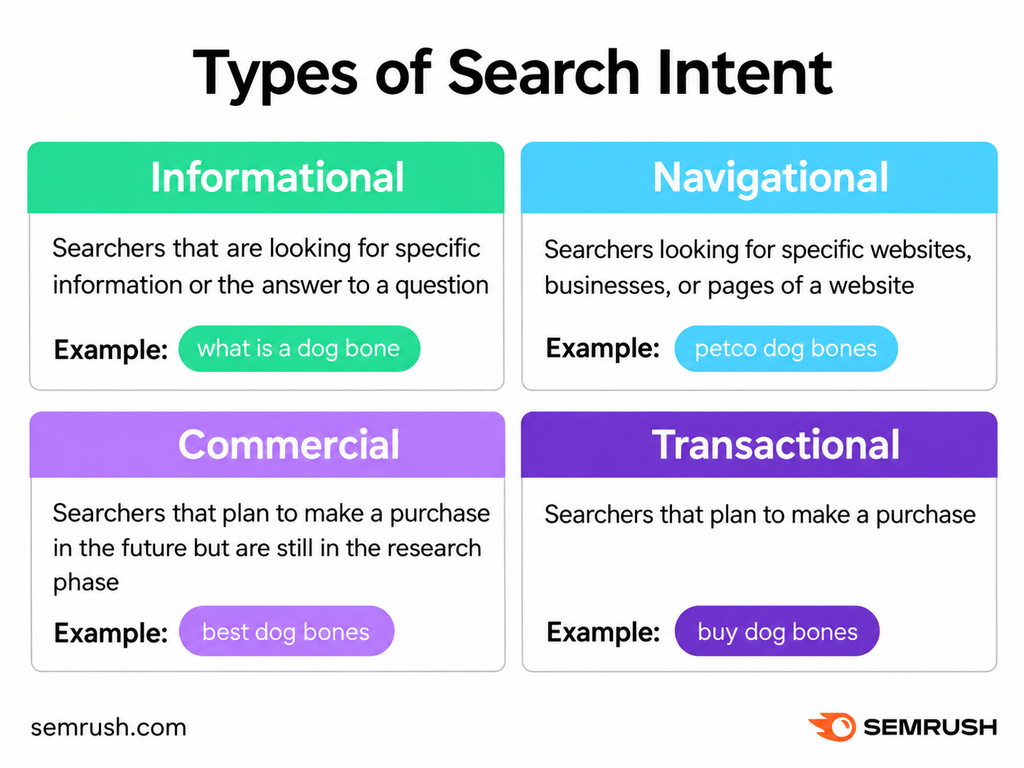
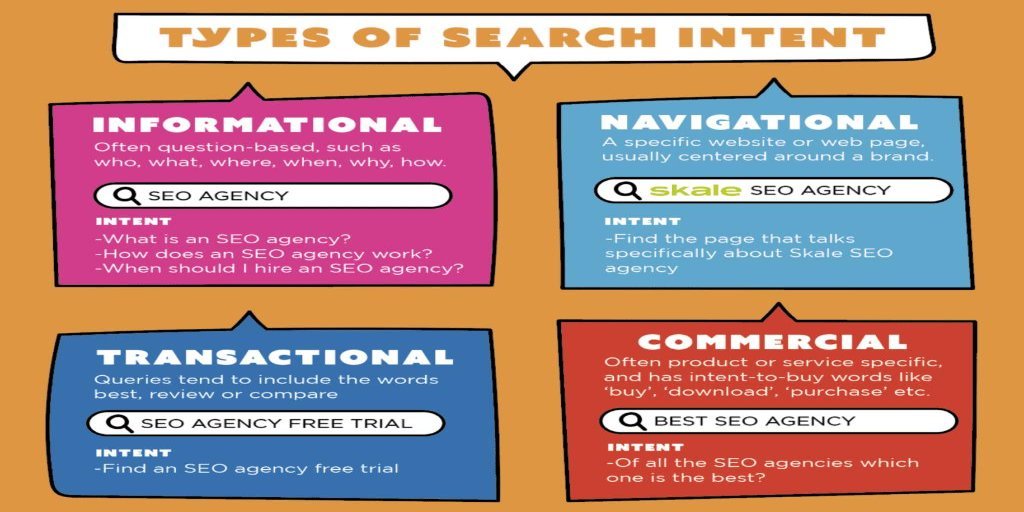
There are four commonly recognized categories of search intent.
1. Informational Search Intent
Informational intent means someone wants to learn something, understand a topic, or find an answer.
Examples:
- What is search engine optimization?
- How does keyword research work?
- How to resize an image online
- What is organic website traffic?
- How to create a WordPress website
Best content formats:
- Educational blog posts
- Step-by-step tutorials
- Beginner guides
- How-to articles
- Frequently asked questions
- Explainer videos
If your website publishes educational articles, informational keywords can provide many content opportunities.
2. Navigational Search Intent
Navigational intent means someone wants to visit a particular website, brand, or online destination.
Examples:
- Google Search Console login
- Facebook login
- WordPress dashboard
- YouTube website
- BesterPost SEO tools
Best content formats:
- Homepage
- Brand pages
- Login pages
- Product pages
- Official resource pages
For navigational searches, users generally already know which destination they want to reach.
3. Commercial Search Intent
Commercial intent means someone is researching or comparing products and services before making a decision.
Examples:
- Best SEO tools for beginners
- Free versus paid PDF editors
- Best WordPress hosting providers
- Top image compression tools
- Ahrefs alternatives
Best content formats:
- Product comparisons
- Reviews
- Buying guides
- Feature comparisons
- Pros-and-cons articles
- Alternatives pages
These pages should provide honest information, explain differences, and help readers make informed decisions.
4. Transactional Search Intent
Transactional intent means someone is ready to complete an action, such as buying a product, downloading software, subscribing to a service, or using an online tool.
Examples:
- Buy website hosting
- Download PDF editor
- Compress PDF online
- Create free account
- Purchase image editing software
Best content formats:
- Product landing pages
- Pricing pages
- Download pages
- Registration pages
- Online tools
- Checkout pages
Make the intended action clear and provide a straightforward user experience.
Search Intent Examples: Keyword and Content Matching
The following table shows how different keywords can require different page formats.
| Search keyword | Intent | Recommended content |
|---|---|---|
| What is SEO? | Informational | Beginner guide |
| Google Search Console login | Navigational | Official login destination |
| Best SEO tools | Commercial | Comparison article |
| Buy SEO software | Transactional | Product or pricing page |
| How to compress PDF | Informational | Tutorial |
| Free PDF compressor online | Transactional | Working online tool |
| Best image resizer | Commercial | Comparison guide |
| BesterPost homepage | Navigational | Homepage |
Choosing the right content format is an important step in creating a successful SEO strategy.
How to Identify Search Intent for a Keyword

Follow these practical steps before publishing a new article or landing page.
Step 1: Search Your Target Keyword on Google
Open Google and enter your selected keyword.
For example:
“Best free image compression tools”
Look at the first page of search results and identify the types of content Google displays.
Step 2: Analyze the Top Search Results
Check whether the results mainly contain:
- Blog articles
- Product comparison pages
- Online tools
- Shopping listings
- Videos
- Official websites
If most results are comparison articles, creating a simple definition page may not match the dominant search intent.
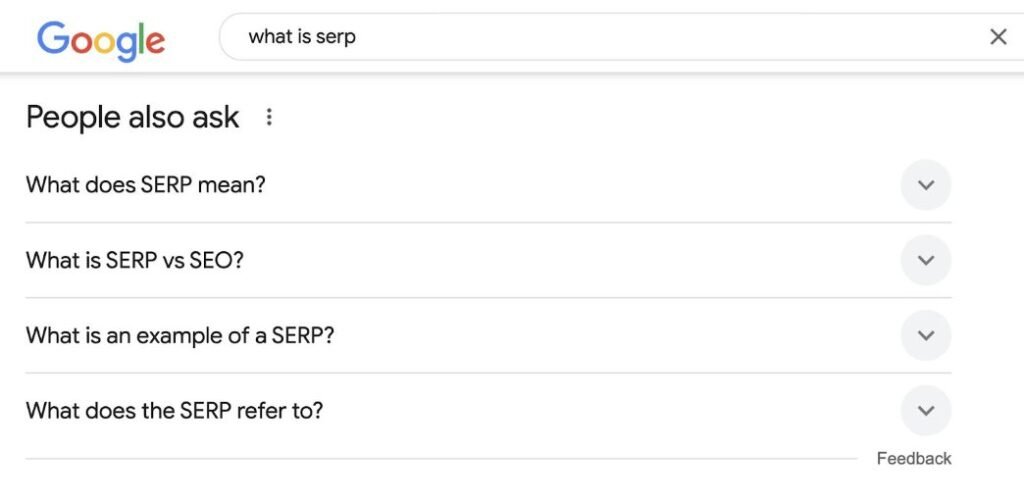
Step 3: Check the Questions People Ask
Look for related questions in Google’s search results.
For example, for “how to improve website speed,” related questions might include:
- Why is my website slow?
- How can I improve page loading time?
- What affects website performance?
- How do I test website speed?
These questions can help you create useful headings and supporting sections.
Step 4: Identify the Main User Need
Ask yourself:
- Does the visitor want information?
- Are they looking for a particular website?
- Do they want to compare options?
- Are they ready to purchase or use a tool?
Your answer should guide the type of page you create.
Step 5: Create Content That Satisfies the Intent
Do not simply copy the format of competing pages. Study what they cover, identify missing information, and provide a clearer and more useful experience.
How to Optimize Website Content for Search Intent
Here are practical techniques you can apply to your WordPress website.
1. Choose the right content format
Create tutorials for informational searches, comparison articles for commercial searches, and useful landing pages for transactional searches.
2. Write relevant SEO titles
Your title should clearly explain what visitors will find on the page.
Example:
Keyword: How to compress PDF files
SEO title: How to Compress PDF Files Online – Step-by-Step Guide
3. Use helpful headings
Organize your article with headings that answer related questions and cover important details.
4. Provide complete and accurate information
Avoid writing unnecessary paragraphs just to increase word count. Focus on solving the visitor’s problem.
5. Include useful images and examples
Screenshots, illustrations, comparison tables, and practical examples can make your content easier to understand.
6. Add relevant internal links
Connect related pages naturally. For example, an article about keyword research could link to your beginner SEO guide.
7. Make important actions easy
If your page targets transactional intent, make the tool, download, registration, or purchase option easy to find.
Search Intent vs. Keywords: What’s the Difference?
| Keywords | Search intent |
|---|---|
| Words people enter into search engines | The reason behind their searches |
| Help identify the search topic | Helps understand the user’s goal |
| Used in content research and optimization | Used to choose the right page format |
| Example: PDF compressor | Example: Finding a tool to compress a PDF |
Both concepts work together. Keywords tell you what people are searching for, while search intent helps you understand why they are searching.
Common Search Intent Mistakes to Avoid
- Ignoring search results: Publishing content without checking what users expect can lead to poor topic alignment.
- Using the wrong page format: A product landing page may not satisfy someone looking for a detailed tutorial.
- Targeting multiple unrelated intents: Trying to satisfy too many different needs on one page can make the content confusing.
- Writing only for keywords: Repeating keywords does not solve visitors’ problems.
- Copying competitors: Use search results for research, not as a reason to duplicate existing content.
- Ignoring mobile users: Make sure your pages are readable and usable on smartphones.
- Forgetting to update content: Review pages when search expectations, products, or information change.
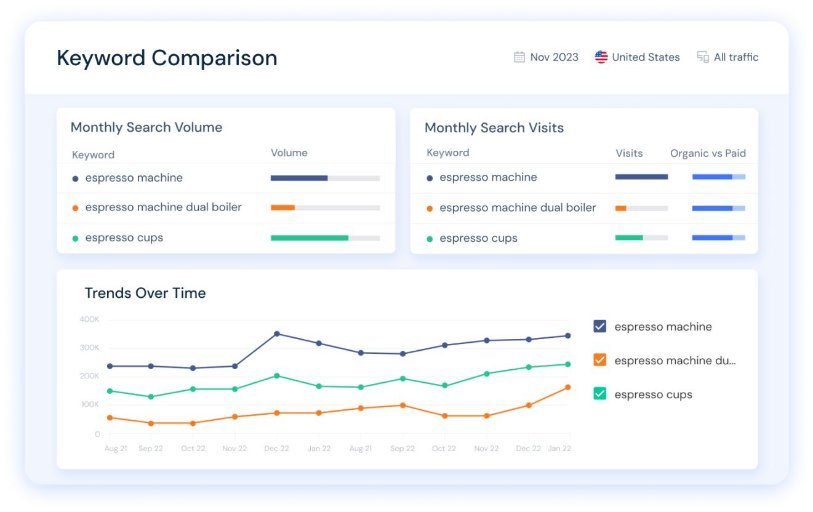
Useful Tools for Search Intent Research
| Tool | Purpose |
|---|---|
| Google Search | Examine actual search results and page formats |
| Google Search Console | Discover queries bringing impressions and clicks |
| Google Trends | Compare search interest over time |
| Ahrefs | Research keywords and competitor pages |
| Semrush | Analyze keyword opportunities and search results |
Some tools provide paid features, so check their current plans and limitations.
Conclusion
Search intent is an essential part of an effective SEO strategy. It helps you understand why people search, what information they expect, and which type of webpage can best satisfy their needs.
Before publishing content, research your target keyword, examine Google’s search results, identify the dominant intent, and choose the right page format.
By combining relevant keywords with useful content and a good user experience, you can build a website that better serves visitors and creates opportunities for sustainable organic traffic growth.
Next article – Article 7: What Is On-Page SEO? Complete Guide to Optimizing Website Pages
Frequently Asked Questions (FAQs)
Search intent is the purpose behind a search query. It explains what someone wants to accomplish when using a search engine.
The four commonly recognized types are informational, navigational, commercial, and transactional.
Search the keyword on Google, analyze the first-page results, examine related questions, and identify the content formats that best satisfy the search.
Time needed: 5 minutes
Learn what search intent in SEO means, explore its four types, and discover how to optimize content to match user searches.
- Is search intent more important than keyword density?
There is no ideal keyword density. Understanding the visitor’s goal and providing useful, relevant content is more valuable than repeating a keyword a certain number of times.