Introduction
Getting your website ready for search engines involves more than publishing high-quality articles and optimizing page titles. You also need to build your website’s reputation and visibility across the internet.
This is where off-page SEO becomes important.
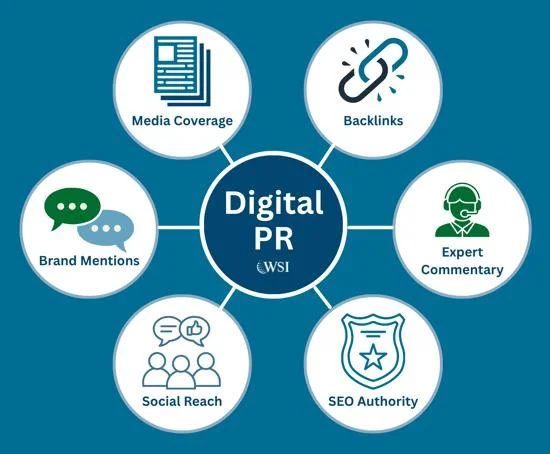
Off-page SEO includes activities performed outside your website that can help improve its reputation, authority, and visibility. Backlinks, brand mentions, digital public relations, and genuine industry relationships are some examples.
For instance, if another trusted website links to your helpful article about SEO tools, that link can help search engines discover your content and understand its relevance.
In this guide, you will learn what off-page SEO is, how backlinks work, why website authority matters, and how to build a sustainable off-page SEO strategy.
What Is Off-Page SEO?
Off-page SEO refers to optimization activities outside your own website that can influence how people and search engines perceive your website.
Unlike on-page SEO, which focuses on individual webpages, off-page SEO focuses on external signals and your website’s reputation across the internet.
Important off-page SEO activities include:
- Building quality backlinks
- Earning brand mentions
- Publishing guest articles on relevant websites
- Digital public relations
- Creating shareable resources
- Participating in relevant industry communities
- Building genuine business relationships
- Promoting useful content through appropriate channels
The main objective is to establish credibility, increase awareness, and help people discover your website.
Why Is Off-Page SEO Important?
Off-page SEO can contribute to a stronger online presence and support your overall search strategy.
Here are some important benefits:
- Improved website reputation: Mentions and recommendations from relevant sources can help establish credibility.
- Backlink opportunities: Links from other websites can help visitors discover your content.
- Greater brand awareness: External promotion introduces your website to new audiences.
- Referral traffic: Visitors can reach your website through links on other platforms.
- Content discovery: External links may help search engines discover webpages.
- Industry relationships: Working with relevant publishers and businesses can create long-term opportunities.
However, not every backlink is valuable. Search engines evaluate links in context, and manipulative link-building practices can create risks.
What Are Backlinks in SEO?
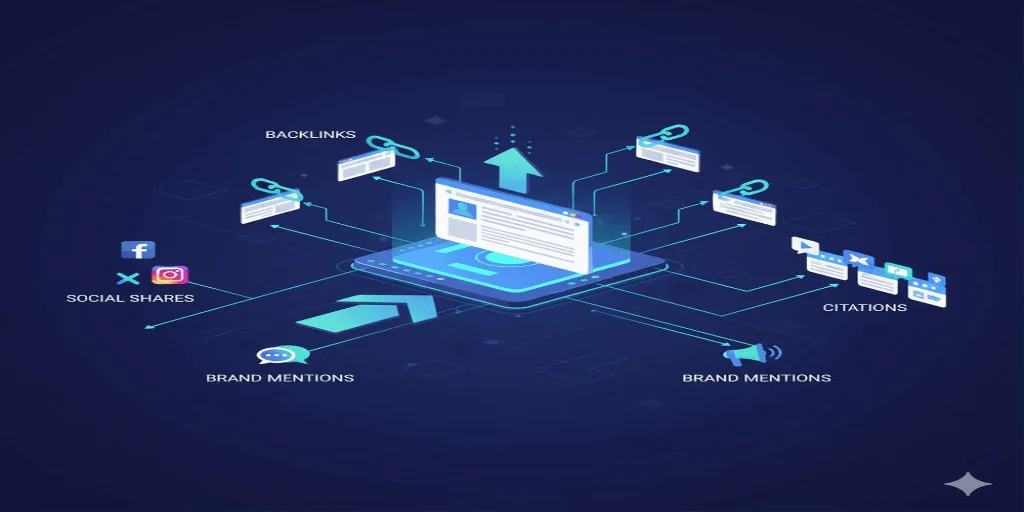
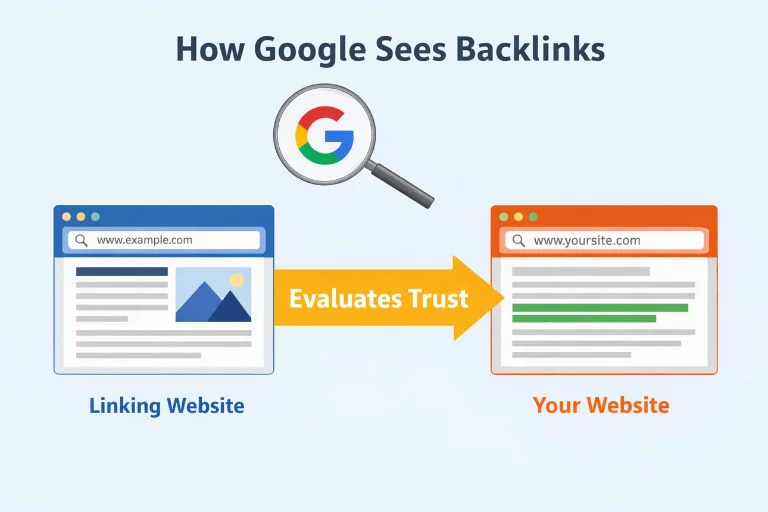
A backlink is a hyperlink on another website that points to your website.
For example, imagine a technology blog publishes an article about free online tools and includes a link to your image compressor.
That link is a backlink for your website.
Backlinks can help users discover useful resources and provide search engines with information about connections between websites.
Types of Backlinks
1. Editorial Backlinks
These links are included naturally because another publisher considers your content useful or relevant.
Example: A blogger links to your detailed guide about keyword research.
2. Guest Post Backlinks
These are links included in articles you contribute to another website, where the publisher allows appropriate references.
Guest contributions should prioritize useful information rather than link manipulation.
3. Resource Page Backlinks
Some websites maintain lists of helpful resources. If your tool, guide, or research genuinely benefits their audience, they may include your website.
4. Business Profile Links
Links can appear in legitimate company profiles, professional directories, and relevant business listings.
These links may help people find your business, although their SEO value varies.
5. Broken Link Replacement Opportunities
Sometimes external websites contain broken links. You can suggest a relevant working resource from your website if it genuinely replaces the missing information.
Dofollow vs. Nofollow Links
Links can include attributes that provide search engines with additional information about their relationship.
| Link attribute | Meaning |
|---|---|
| Follow/default link | A normal link without a special qualifying attribute |
rel="nofollow" | Indicates that the publisher does not want to imply a normal endorsement |
rel="sponsored" | Identifies links created as part of advertising or sponsorship |
rel="ugc" | Identifies links in user-generated content, such as comments or forums |
Nofollow, sponsored, and UGC attributes help search engines understand the nature of links. Google may treat these attributes as hints.
Do not assume that every normal link is valuable or that every nofollow link is useless. A relevant link can still bring visitors and awareness.
What Makes a Quality Backlink?
Not all backlinks have the same potential value.
Consider these factors when evaluating a link:
1. Website Relevance
A link from a website covering a topic related to yours is generally more contextually useful than a completely unrelated link.
For example, a technology website linking to your online PDF tool may be relevant.
2. Editorial Context
A backlink placed naturally within useful content is generally more meaningful to readers than an unrelated link hidden in a page.
3. Website Trust and Reputation
Consider the publisher’s reputation, editorial standards, audience, and overall content quality.
4. Natural Anchor Text
Anchor text is the clickable text used in a hyperlink.
Examples:
- Learn more about keyword research
- Free PDF compression tool
- Read our complete SEO guide
Anchor text should describe the destination naturally. Avoid forcing exact-match keywords into every backlink.
5. Real Audience Value
A link that introduces your website to interested readers can be valuable even when it does not produce a measurable ranking improvement.
What Is Website Authority?
Website authority is a general way of describing a website’s perceived strength, credibility, or ability to compete in search results.
Third-party SEO platforms calculate their own authority metrics.
Examples include:
- Domain Rating (DR) from Ahrefs
- Domain Authority (DA) from Moz
- Authority Score from Semrush
These are third-party metrics, not official Google ranking scores.
A higher score does not guarantee better Google rankings. Use these metrics as comparative research tools rather than targets that must be achieved.
10 Practical Off-Page SEO Strategies
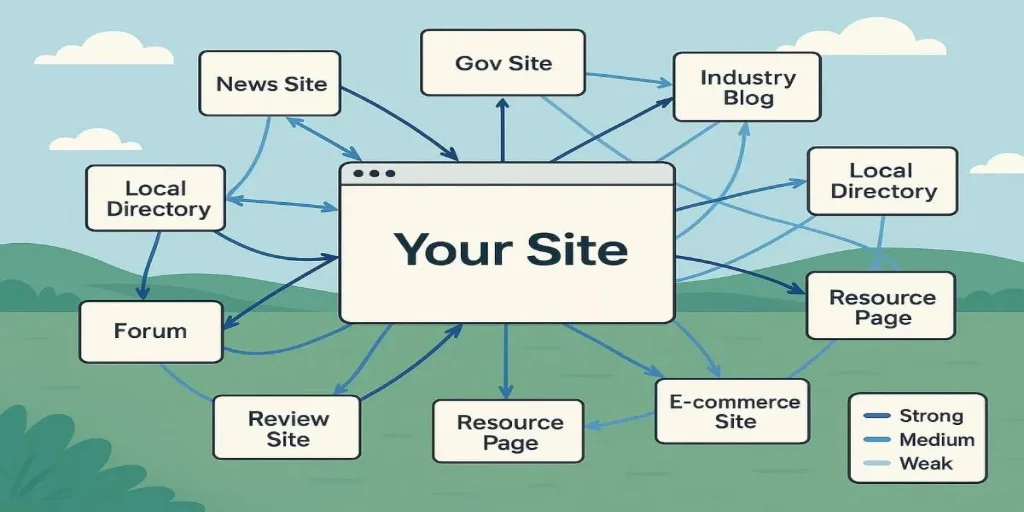
Here are ten practical strategies for improving your website’s external visibility.
1. Publish Link-Worthy Content
Create useful resources that other publishers may naturally want to reference.
Examples:
- Complete beginner guides
- Original research
- Statistics and reports
- Free online tools
- Detailed tutorials
- Helpful comparison articles
A genuinely useful resource can attract attention without aggressive outreach.
2. Write Quality Guest Articles
Contribute original articles to relevant websites that accept guest content.
Before submitting:
- Check the website’s topic and audience.
- Review its editorial guidelines.
- Submit original and useful information.
- Avoid excessive promotional links.
- Disclose commercial relationships where appropriate.
Do not use guest posting primarily to manipulate search rankings.
3. Build Relationships With Relevant Bloggers
Connect with writers, publishers, developers, and website owners in your industry.
You can share useful research, provide feedback, and collaborate on meaningful content.
Strong professional relationships can create natural opportunities for exposure.
4. Use Digital PR
Digital public relations involves earning media attention and online coverage.
For example, if you publish original research about website performance, technology publishers may find the findings useful.
Make your research accurate, transparent, and easy to reference.
5. Promote Content on Social Media
Share your articles, tools, and tutorials through appropriate social media platforms.
Social media links are not a guaranteed direct ranking boost, but sharing can increase visibility, attract visitors, and create opportunities for natural backlinks.
6. Create Free Online Tools
Free tools can attract users and references when they solve real problems.
Examples:
- Image compressor
- Word counter
- Unicode checker
- PDF utilities
- SEO content checker
- Percentage calculator
Provide clear instructions, working functionality, and a good mobile experience.
7. Find Broken Link Opportunities
Identify broken external links on relevant resource pages.
If you have a genuinely useful replacement, politely contact the website owner and explain the issue.
Never send misleading or mass-generated requests.
8. Get Listed in Relevant Directories
Choose legitimate directories that are relevant to your business, industry, or location.
Avoid low-quality directories created primarily for selling backlinks.
9. Encourage Genuine Brand Mentions
People may discuss your website without linking to it.
You can encourage natural brand awareness by publishing useful resources, offering excellent services, and participating in relevant communities.
Do not demand links from every person who mentions your brand.
10. Monitor Your Backlink Profile
Review your backlink profile periodically to understand which websites link to your content.
Look for unusual patterns, relevant referrals, and opportunities to improve your content promotion strategy.
Off-Page SEO vs. On-Page SEO vs. Technical SEO
| SEO type | Main focus | Example |
|---|---|---|
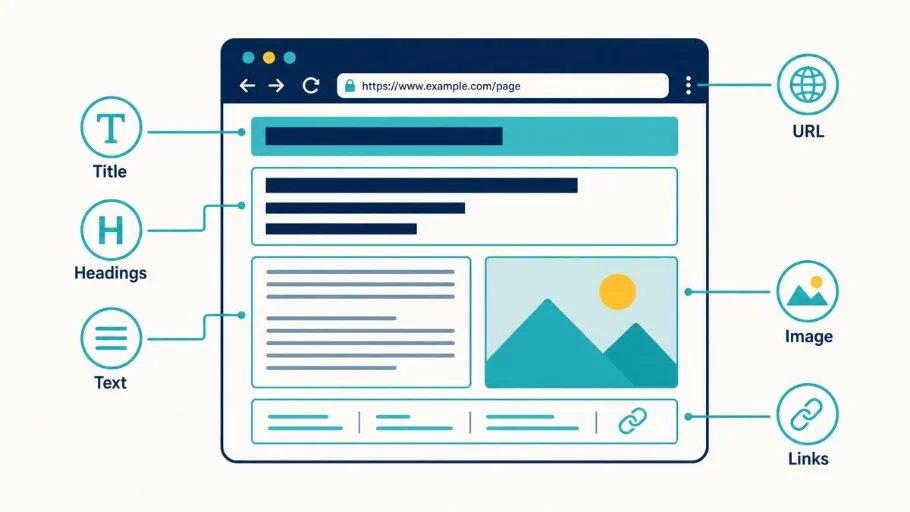
| On-page SEO | Content and page optimization | Titles, headings, internal links |
| Off-page SEO | External reputation and visibility | Backlinks, digital PR, brand mentions |
| Technical SEO | Website infrastructure | Indexing, crawling, site performance |
A successful SEO strategy considers all three areas rather than relying on backlinks alone.
Common Off-Page SEO Mistakes to Avoid
- Buying spam backlinks: Paid links intended to manipulate rankings can violate Google’s spam policies.
- Using automated link-building software: Artificial link schemes can create ranking risks.
- Excessive exact-match anchor text: Repeatedly forcing the same keyword into links looks unnatural.
- Publishing low-quality guest posts: Articles created mainly for backlinks offer little value.
- Joining private blog networks: Artificial link networks can violate search spam policies.
- Ignoring website relevance: A link from an unrelated website may not provide meaningful audience value.
- Focusing only on authority scores: Third-party metrics are not Google ranking scores.
- Expecting instant results: Building a genuine reputation takes time and consistent effort.
Best Tools for Off-Page SEO
| Tool | Purpose |
|---|---|
| Google Search Console | Review links Google reports for your website |
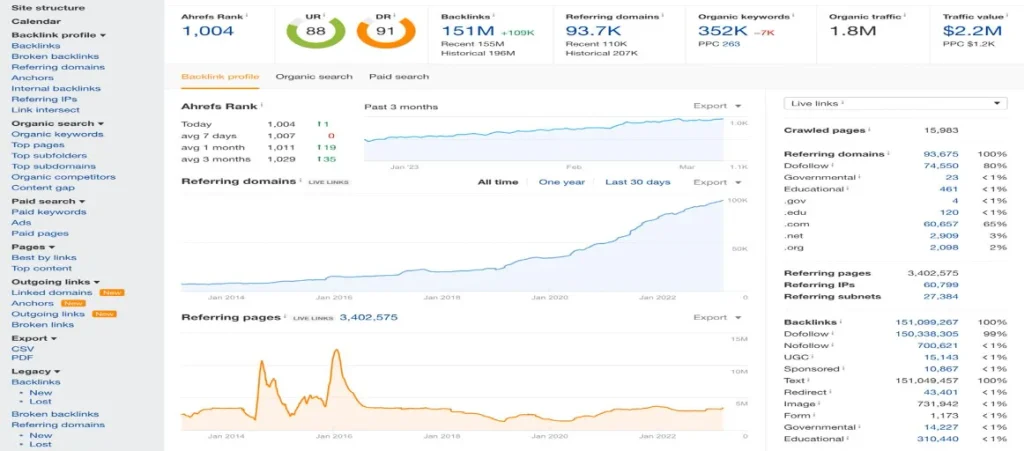
| Ahrefs | Backlink analysis and competitor research |
| Moz Link Explorer | Explore backlinks and Domain Authority |
| Semrush | Backlink audits and competitor analysis |
| Google Alerts | Monitor selected brand or topic mentions |
Some tools have paid plans or limited free features.
Conclusion
Off-page SEO helps build your website’s reputation and visibility beyond your own pages. By earning relevant backlinks, publishing useful resources, developing industry relationships, and promoting your content responsibly, you can create a stronger online presence.
Avoid shortcuts such as spam links, artificial link networks, and excessive keyword-rich anchors. Instead, focus on providing resources that other websites genuinely want to recommend.
Combine off-page SEO with strong content and technical optimization to build a sustainable strategy for long-term organic growth.
Frequently Asked Questions (FAQs)
Off-page SEO means improving your website’s reputation and visibility through activities outside your website, such as earning backlinks, brand mentions, and media coverage.
Backlinks can help search engines discover content and understand relationships between websites. However, relevance, quality, and natural link patterns matter more than simply collecting large numbers of links.
There is no fixed number. Focus on earning relevant, genuine links rather than trying to reach a specific backlink count.
Time needed: 5 minutes
Learn what off-page SEO is and discover backlink strategies, brand mentions, and practical ways to build website authority.
- How long does off-page SEO take to show results?
There is no fixed timeline. Results depend on your website, competition, content quality, external references, and many other factors.