Flight and Packing: The Complete International Travel Guide
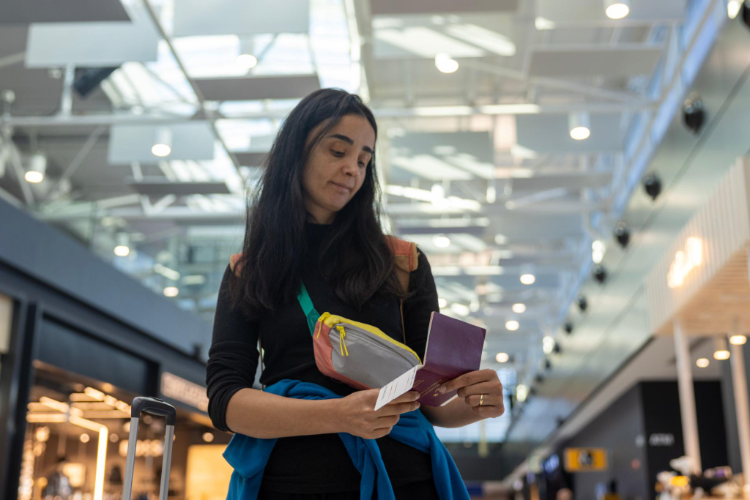
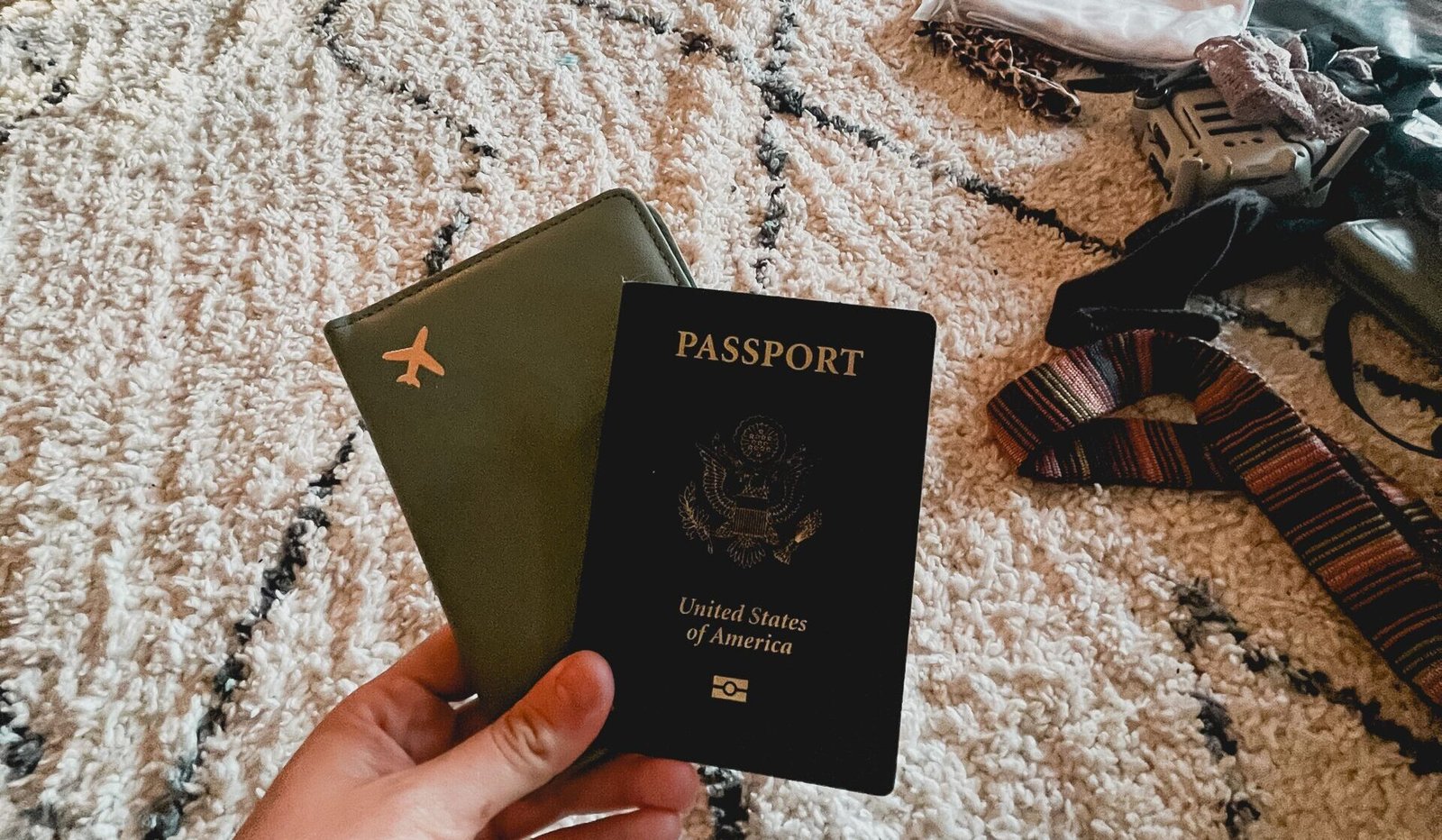
International travel essentials arranged with suitcase, passport, and boarding pass
Introduction
Preparing for an international flight can feel overwhelming, especially when you are traveling abroad for the first time. You need to organize your travel documents, choose suitable clothing, understand airline baggage rules, and make sure you arrive at the airport on time. Moreover, connecting flights and unexpected luggage problems can make the journey more complicated if you are not prepared.
The good news is that you can make your trip much easier with a practical plan. Instead of packing everything you own, focus on the items you genuinely need and organize them before departure. Similarly, understanding airport procedures and baggage policies can help you avoid unnecessary delays and extra expenses.
This comprehensive guide covers 10 essential topics related to international flights and packing. Whether you are planning a short holiday, a two-week vacation, or a longer overseas adventure, these tips will help you prepare your luggage, navigate the airport, and travel with greater confidence.
1. International Flight Packing Checklist
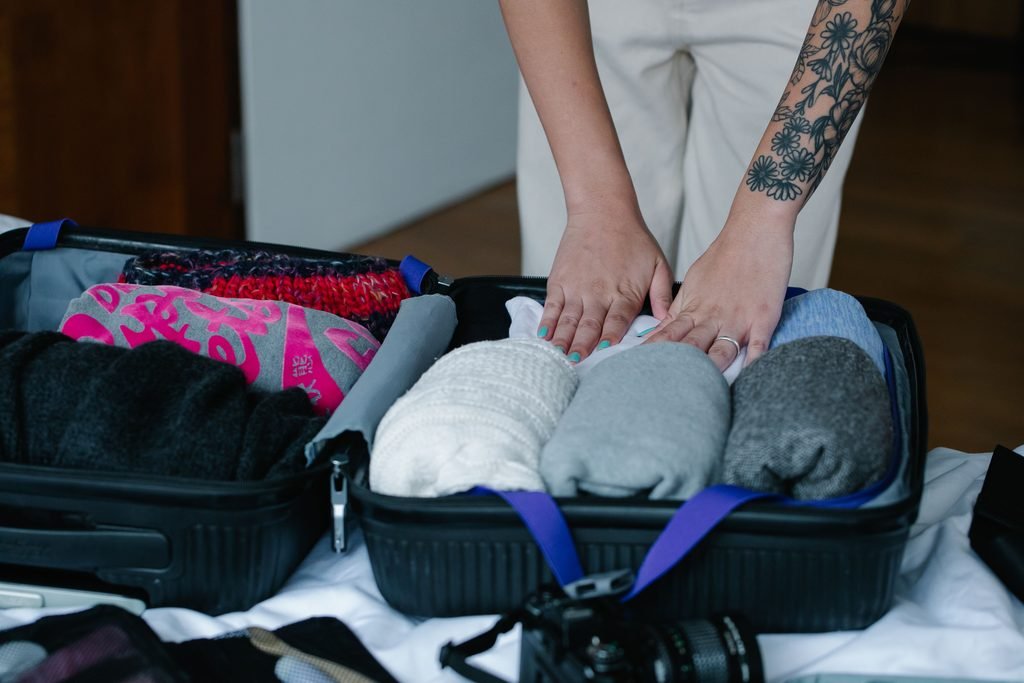
Organized travel packing essentials for an international flight

An international flight packing checklist helps you remember important items and avoid last-minute stress. However, the right packing list depends on your destination, trip length, weather, planned activities, and airline baggage allowance.
Start by dividing your belongings into categories. This approach makes packing more organized and helps you identify anything missing before departure.
Essential travel documents
- Valid passport and required visas.
- Flight tickets and boarding information.
- Hotel or accommodation confirmations.
- Travel insurance documents.
- Copies of important identification and reservations.
- Relevant medical prescriptions or certificates.
Clothing and personal items
- Weather-appropriate outfits.
- Comfortable walking shoes.
- Sleepwear and underwear.
- Toiletries and personal hygiene products.
- A lightweight jacket or rain protection when needed.
Electronics and accessories
- Mobile phone and charger.
- Suitable power adapter.
- Power bank that complies with airline rules.
- Headphones and charging cables.
- Offline maps and downloaded travel documents.
Health and emergency essentials
- Necessary prescribed medicines.
- Basic first-aid supplies.
- Glasses or contact lenses, if needed.
- Emergency contact information.
- A small amount of emergency money and a backup payment method.
Before closing your suitcase, check your airline’s baggage limits. Furthermore, review the weather forecast and remove items you are unlikely to use.
Helpful tip: Keep your passport, essential medication, valuables, and important documents in your carry-on bag rather than placing them in checked luggage.
2. What to Pack in Your Carry-On Bag for International Travel
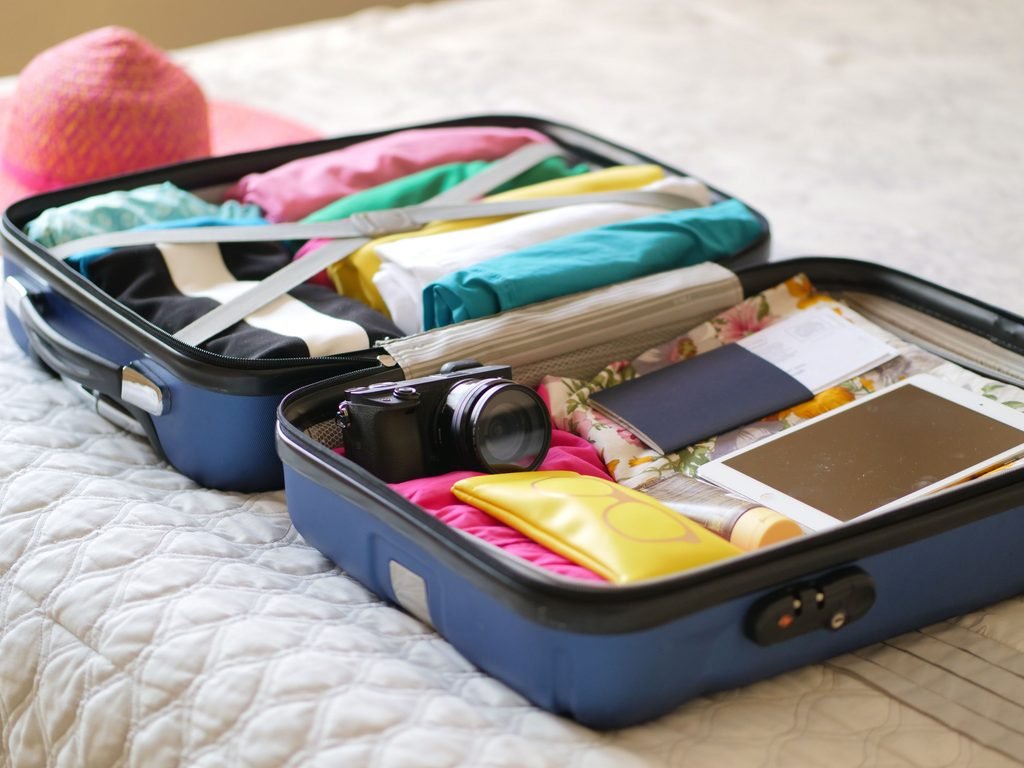
Carry-on bag packed with essential items for an international flight
Your carry-on bag is especially important because it stays with you during the flight. If your checked suitcase is delayed or lost, the items in your carry-on can help you manage until your luggage is returned.
First, pack your passport, boarding pass, visa documents, and other essential travel papers in an easily accessible pocket. You should also carry your phone, charger, wallet, and any necessary medication.
Next, consider bringing a few comfort items. A neck pillow, eye mask, earplugs, headphones, and a lightweight sweater can make a long flight more comfortable. Additionally, a reusable water bottle can be useful when empty at security and filled afterward where drinking water is available.
For longer journeys, pack a spare set of clothes, underwear, and basic toiletries. These items can be particularly helpful if your checked baggage arrives late or you experience an unexpected overnight delay.
Remember to follow your airline’s cabin baggage rules. Liquids, gels, and aerosols may be subject to container-size and clear-bag restrictions, depending on the airport and applicable security rules. Sharp objects and other prohibited items must not be placed in your carry-on.
Keep essential medicines in their original packaging when practical, along with prescriptions or supporting documents where appropriate. Also, check restrictions on medication at your destination, especially for controlled or prescription-only substances.
Carry-on packing rule: Keep items you cannot easily replace, need during the flight, or require immediate access to in your carry-on, subject to applicable security and airline restrictions.
3. How Early Should You Arrive at an International Airport?
Arriving at the airport at the right time can help you avoid unnecessary stress. Although the ideal arrival time depends on the airport and airline, around three hours before an international flight is a useful general guideline.
However, always check the instructions provided by your airline. Some airports experience longer queues during holidays, peak travel periods, or busy morning and evening departure times.
Allow extra time if you need to check in at the counter, drop off large bags, arrange special assistance, or complete additional document checks. Similarly, travelers unfamiliar with the airport may benefit from arriving early enough to find their way around comfortably.
Here is a simple timeline to help you prepare.
| Time before departure | Recommended action |
|---|---|
| 24 hours before | Check in online if available and review flight details |
| 3–4 hours before | Aim to arrive, allowing extra time if needed |
| 2–3 hours before | Complete check-in and baggage drop-off as appropriate |
| After check-in | Follow airport security and immigration procedures |
| Before boarding | Check the departure screens and reach your gate promptly |
These are planning suggestions, not guaranteed deadlines. Airport procedures vary, and check-in or baggage-drop counters may close well before departure.
Once you arrive, look for your airline’s check-in area and confirm your flight number on the departure screens. After completing the required procedures, proceed to the departure area and monitor announcements for gate changes.
Finally, do not assume that reaching the airport before departure means you have enough time. Boarding often closes earlier than the scheduled takeoff time, so always follow the airline’s boarding instructions.
4. Step-by-Step Guide to International Airport Procedures
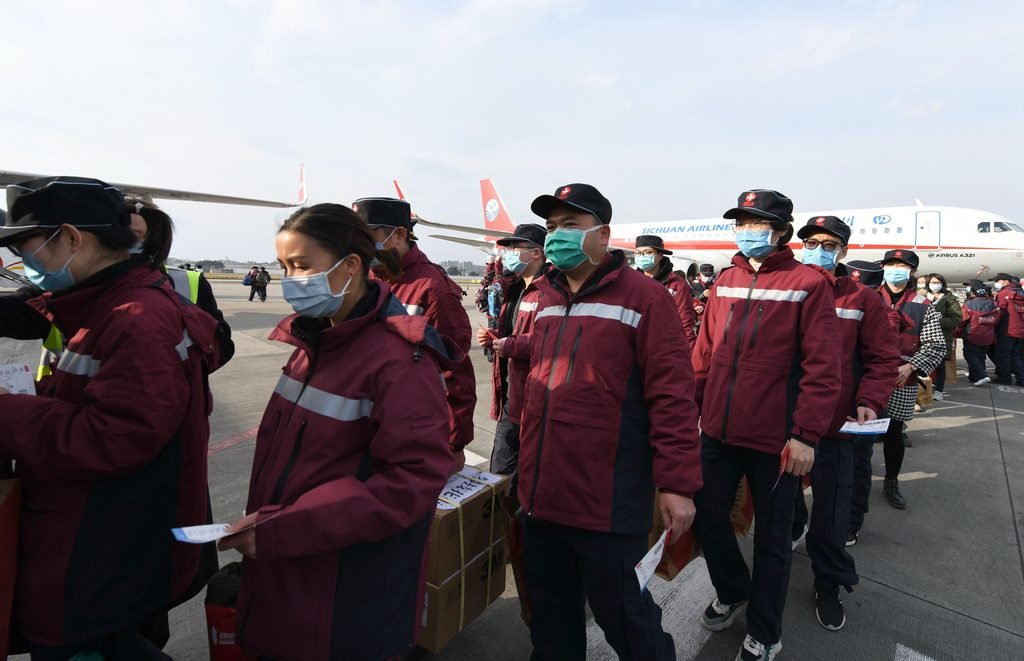
Passengers checking in for international flights at airport counters
International airports can seem complicated at first. Nevertheless, most journeys follow a similar process, although the exact order of security, immigration, and document checks varies by airport.
Step 1: Find your airline’s check-in counter
Check the departure screens for your flight number and airline. If you have not checked in online, visit the correct counter with your passport and required travel documents.
Step 2: Complete check-in and baggage drop-off
The airline will check your booking and travel documents. If you have checked luggage, place it on the baggage scale and follow the staff’s instructions. Keep your baggage receipt because you may need it if your suitcase is delayed or lost.
Step 3: Pass through security screening
Follow instructions about removing permitted items from your bags and placing belongings in screening trays. Security procedures differ between airports, so listen to staff and check the applicable restrictions.
Step 4: Complete departure immigration
Where required, present your passport and other requested documents to immigration officials. Answer questions truthfully and follow the instructions given by the authorities.
Step 5: Find your departure gate
After completing the required checks, check the airport screens for your gate. Do not rely solely on the gate printed on an earlier boarding pass because changes can occur.
Step 6: Board your flight
Reach the gate before boarding closes. Keep your boarding pass and passport accessible because the airline may check them before you enter the aircraft.
Step 7: Follow arrival procedures
After landing, follow the signs for immigration, baggage reclaim, and customs as applicable. You may need to show your passport, complete an arrival declaration, or answer questions about your visit.
Important: Always follow official airport signs and instructions. Procedures can differ depending on your destination, nationality, itinerary, and whether you are taking an international connection.
5. What Is a Connecting Flight and How Does It Work?
A connecting flight means you travel to your final destination using two or more flight segments, stopping at an intermediate airport along the way.
For example, you might fly from Lahore to Istanbul and then take another flight from Istanbul to London. In this example, Istanbul is your connecting airport.
Connecting flights can offer more route choices and sometimes lower fares. However, they also require additional planning because you must have enough time to reach your next flight.
Before booking, check whether both flights are part of the same ticket or whether you have purchased separate tickets. This distinction can affect baggage handling, rebooking assistance, and your responsibility if a delay causes you to miss the next flight.
If both flights are booked together, your airline will often arrange baggage transfer to the final destination, but you should confirm this. On some routes, passengers must collect their luggage and check it in again because of customs or other requirements.
Additionally, some connecting airports require passengers to pass immigration, clear security again, or obtain a transit visa. The requirements depend on your nationality, airport, itinerary, and whether you leave the international transit area.
When booking, consider these factors:
- The time available between flights.
- Whether you need a transit visa.
- Whether your bags are checked through to the final destination.
- Whether you must change terminals.
- Whether the connection is protected under one booking.
Whenever possible, choose an itinerary with a comfortable connection time rather than selecting the shortest possible stopover. A little extra time can make your journey much less stressful.
6. How to Avoid Missing a Connecting Flight
Missing a connecting flight can disrupt your travel plans and create additional expenses. Fortunately, several precautions can reduce the risk.
First, choose your flights carefully. Avoid connections that leave very little time for passengers to get off one aircraft, pass any required checks, and reach another departure gate.
Although a short connection might be technically permitted by the airline, delays can occur because of weather, air traffic, late arrivals, or operational issues.
Next, confirm whether your connecting flights are booked on a single ticket. When a protected connection is missed because of a qualifying delay, the airline will generally have procedures for helping you reach your destination. Separate tickets usually offer less protection, and you may need to buy another ticket yourself.
Once you arrive at the connecting airport, check the departure screens immediately. Follow signs for connecting passengers and pay attention to any security or immigration instructions.
If your first flight is delayed, contact airline staff as soon as possible. Do not wait until the second flight has departed before asking about your options.
You can also reduce risks by choosing the following strategies:
- Avoid unnecessarily tight connections.
- Check terminal locations before departure.
- Keep your next boarding pass accessible.
- Monitor airline notifications and airport screens.
- Understand baggage transfer and transit visa requirements.
- Consider the consequences of separate-ticket bookings.
If a delay makes your connection impossible, ask the airline about rebooking, accommodation, meals, and other assistance that may apply under its policies or local passenger-rights rules.
Remember: No connection time guarantees a smooth transfer. Choosing a sensible itinerary and knowing your options can help you respond more effectively when disruptions occur.
7. Essential Travel Accessories for International Travelers

Useful travel accessories including packing cubes, adapter, power bank, and luggage tag
The right travel accessories can make your international journey more comfortable and organized. However, you do not need to purchase every travel gadget available. Instead, choose accessories that solve practical problems and suit your destination.
Here are some useful items to consider.
Packing cubes: These help organize clothes, separate clean and worn items, and make it easier to find things without unpacking your entire suitcase.
Universal travel adapter: Different countries use different electrical plug types. A compatible adapter allows you to connect suitable devices to local sockets. However, check whether your device also supports the local voltage.
Power bank: A portable charger can keep your phone running during long flights, airport transfers, and sightseeing trips. Check your airline’s battery capacity rules and carry-on requirements before packing it. Spare lithium batteries and power banks generally belong in cabin baggage rather than checked luggage, subject to airline rules.
Luggage tags: A tag with your name and a suitable contact method can help identify your suitcase. For privacy, avoid displaying unnecessary personal information publicly.
Travel wallet: A dedicated wallet helps keep your passport, cards, boarding pass, and other documents organized. Nevertheless, store backup payment methods separately.
Reusable water bottle: An empty bottle can be useful at airport security where permitted. You can refill it afterward at an appropriate drinking-water station.
Comfort accessories: A neck pillow, eye mask, earplugs, and comfortable headphones may make long journeys more enjoyable.
Before buying anything, check your existing belongings. Often, a few carefully chosen accessories are more useful than a bag full of gadgets you rarely use.
8. How to Pack Light for a Two-Week International Trip
Packing for two weeks does not necessarily mean carrying fourteen separate outfits. In fact, choosing versatile clothing and planning ahead can help you travel with much less luggage.
The first step is to check the weather forecast and your planned activities. A beach holiday requires different clothing from a winter city break or a hiking adventure. Therefore, prepare a packing list that matches your actual itinerary.
Choose clothes that work together
Select a simple color palette so that most of your tops match your trousers, skirts, or other clothing. This approach gives you more outfit combinations without requiring additional items.
Pack versatile essentials
For a typical two-week trip, you might start with the following list and adjust it to your needs:
| Item | Suggested starting quantity |
|---|---|
| Everyday tops | 5–7 |
| Trousers, skirts, or shorts | 2–4 |
| Underwear | 7–10 |
| Socks | 5–7 pairs |
| Main walking shoes | 1 pair |
| Additional footwear | 1 pair, if needed |
| Sleepwear | 1–2 sets |
| Jacket or sweater | 1–2 |
| Special outfits | According to your activities |
These are flexible suggestions rather than strict rules. Access to laundry facilities, local weather, personal needs, and cultural expectations will affect what you should pack.
Use space efficiently
Roll suitable clothing or fold it neatly, and use packing cubes if they help you stay organized. Wear your bulkiest suitable shoes and jacket while traveling, provided doing so is comfortable.
Furthermore, avoid packing full-size toiletries when smaller travel-size products are sufficient and permitted. You can also check whether your accommodation provides basic toiletries.
Leave room for unexpected items
Do not fill every corner of your suitcase before leaving home. Some spare space can be useful for souvenirs, purchases, or items you acquire during your trip.
Finally, weigh your luggage before departure and compare it with the airline’s baggage allowance. Traveling light can reduce carrying difficulties, but your baggage must still meet the airline’s size and weight restrictions.
9. What Items Are Not Allowed in Carry-On Luggage?
Understanding carry-on restrictions is essential because prohibited items can be confiscated during security screening. In some cases, carrying restricted items can also delay your journey.
However, rules vary between airports, countries, airlines, and routes. Therefore, check the official security guidance for your departure airport and every relevant airline before packing.
Liquids, gels, and aerosols
Many airports apply restrictions to liquids in cabin baggage. A common rule limits individual containers to 100 milliliters, with containers placed in a transparent resealable bag. However, some airports use different screening systems or rules, so confirm the requirements for your journey.
Remember that a container’s capacity matters: a partly filled container larger than the permitted limit may still be rejected.
Sharp objects
Knives, certain scissors, blades, and other sharp objects may be prohibited or restricted in cabin baggage. Where permitted, some items may need to be packed in checked luggage.
Weapons and dangerous items
Firearms, ammunition, explosives, fireworks, and many other dangerous items are subject to strict restrictions. Do not assume that an item is permitted simply because it is legal to own in your home country.
Batteries and electronic devices
Power banks and spare lithium batteries generally need to be carried in the cabin, subject to capacity limits and airline requirements. Damaged batteries may be prohibited. Some electronic devices may also require special handling.
Food, plants, and restricted substances
Certain foods, plants, animal products, and medicines may be restricted by destination-country customs or import laws. Consequently, check both airport security rules and the regulations that apply when entering your destination.
How to prepare your carry-on bag
- Review the latest official airport security rules.
- Check your airline’s cabin baggage dimensions and weight limits.
- Pack liquids and toiletries according to the applicable rules.
- Keep restricted or potentially dangerous items out of your carry-on.
- Carry prescriptions or supporting documents for necessary medication.
- Ask the airline or relevant authority if you are uncertain about an item.
Important: Security rules are not identical worldwide. Always verify the regulations that apply to your particular flight instead of relying solely on a general packing checklist.
10. How to Handle Lost or Delayed Luggage Abroad
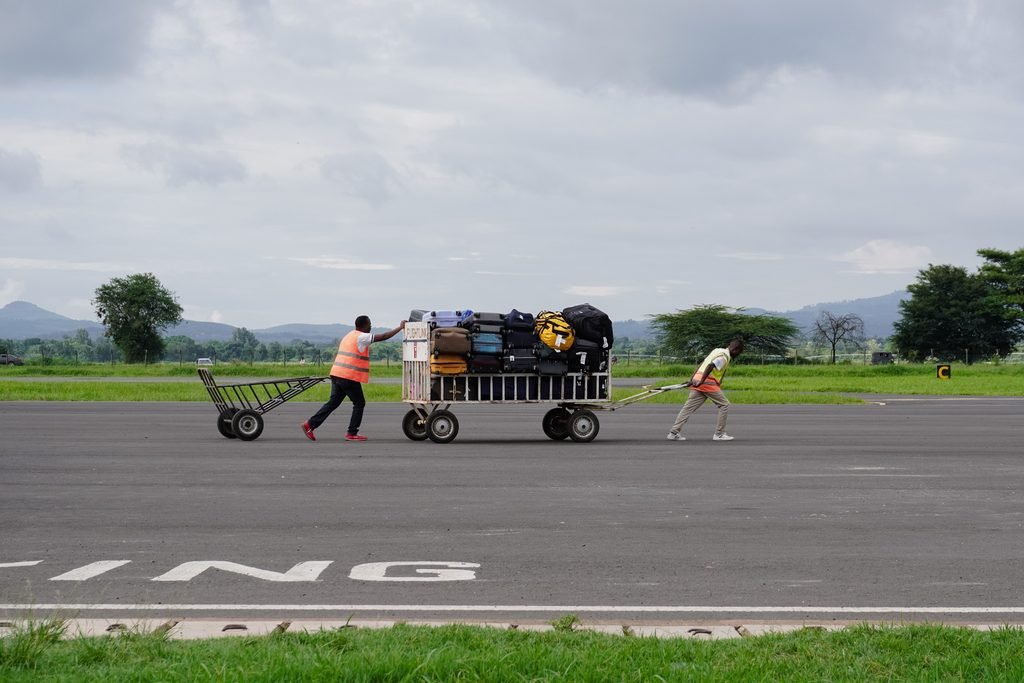
Suitcases moving along an airport baggage reclaim carousel
Lost or delayed luggage can be frustrating, especially when you arrive in a foreign country without your clothes or personal belongings. Nevertheless, acting promptly and keeping the right records can help you resolve the situation.
Step 1: Check the baggage reclaim area
After landing, look around the correct carousel and verify the baggage information on the airport screens. Sometimes bags arrive on a different carousel or are delivered later than expected.
Step 2: Report the problem before leaving the airport
If your suitcase does not arrive, contact your airline’s baggage service desk or its authorized handling agent. Report the missing bag and provide your baggage receipt, flight information, and a description of the suitcase.
Ask for a written report or reference number. This will help you follow up on the case later.
Step 3: Provide your contact and delivery details
Give the airline a reliable telephone number, email address, and the address where you are staying. If you change hotels, update your details so that the airline can arrange delivery if the bag is located.
Step 4: Keep receipts for essential purchases
If your luggage is delayed, you may need to buy basic clothing or toiletries. Keep itemized receipts and ask the airline or insurer which expenses may qualify for reimbursement.
Do not assume that every purchase will be covered. Eligibility depends on the circumstances, applicable rules, and the terms of your airline’s policy or travel insurance.
Step 5: Follow up with the airline
Use your reference number to check for updates. If your suitcase is eventually declared lost or is damaged, submit the required claim within the applicable deadline.
Deadlines vary depending on the airline, itinerary, and legal framework. For many international journeys covered by the Montreal Convention, specific written notice periods apply to baggage delay and damage claims, while baggage-loss claims follow different rules. Therefore, check the rules applicable to your flight and do not delay reporting the issue.
Step 6: Protect yourself against future problems
Before your next trip, place essential medication, valuables, travel documents, and a change of clothes in your carry-on. Photograph your suitcase and keep a record of its identifying features.
You can also use a luggage tracker where permitted, but remember that tracking devices do not replace an official baggage report.
Helpful tip: Report missing baggage as soon as possible and keep every document connected with the claim. Prompt reporting makes it easier to follow the airline’s process and preserve your options.
Conclusion
Preparing for an international flight becomes much easier when you understand the essentials of packing, airport procedures, baggage restrictions, and connecting flights. Although every journey is different, careful preparation can help you avoid common mistakes and travel with greater confidence.
Start by creating an international flight packing checklist that covers your passport, travel documents, clothing, medication, and electronics. Next, review your airline’s baggage rules and arrive at the airport with enough time to complete check-in, security, and immigration procedures.
Additionally, plan connecting flights carefully, pack essential belongings in your carry-on, and keep receipts if you encounter baggage problems. If a flight is delayed or luggage goes missing, contact the relevant airline staff promptly and follow the official procedures.
Ultimately, successful travel is not about packing the most items or planning every minute. It is about preparing for what matters, staying flexible, and knowing what to do when plans change.
With these international flight and packing tips, you can organize your next journey more efficiently and focus on enjoying the experience.
Frequently Asked Questions (Q&A)
Pack your passport, required visa documents, flight details, payment methods, essential medication, phone, charger, and weather-appropriate clothing. Additionally, keep valuables and important documents in your carry-on and check your airline’s baggage restrictions.
Arriving around three hours before departure is a useful general guideline for many international flights. However, check your airline’s instructions and allow additional time if the airport is busy or your journey requires extra document checks.
Carry-on luggage travels with you in the aircraft cabin, subject to airline size and weight limits. Checked luggage is handed to the airline for transport in the aircraft’s baggage hold and is collected at the designated baggage reclaim area, unless special transfer arrangements apply.
Time needed: 9 minutes
Report the problem to your airline’s baggage service desk before leaving the airport if possible. Obtain a reference number, provide your contact details, keep receipts for essential purchases, and follow the airline’s claim process and deadlines.
- How can I avoid missing a connecting flight?
Choose a reasonable connection time, confirm whether your flights are on one ticket, and check terminal changes and transit visa requirements. If your first flight is delayed, contact the airline promptly to discuss your options.

Perfect For:
Personal Finance Management
Family Budget Planning
Students & Professionals
Freelancers & Small Business Owners
Daily Expense Tracking
Savings & Financial Goal Management
Download > Expense Finance Tracker pro
https://play.google.com/store/apps/details?id=com.app.ExpenseFinanceTrackerPro&pcampaignid=web_share