
Smart Trading Lessons >That Can Help You Achieve Victory
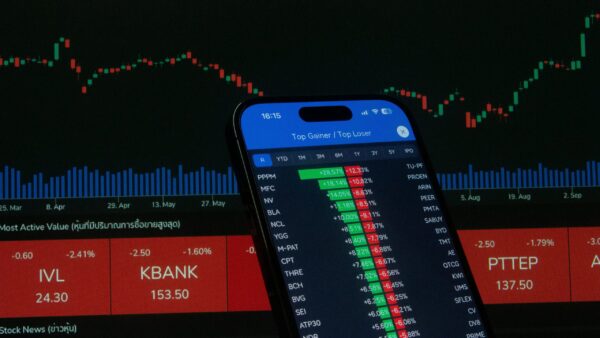
The trading charts glowed brightly on Ahmed’s computer screen late at night. Numbers moved rapidly, red and green candles flashed continuously, and financial news updates filled every corner of the display. At first glance, everything looked exciting and full of opportunity. However, inside, Ahmed felt frustrated, exhausted, and disappointed.
Only six months earlier, he had entered the world of trading with high hopes and unrealistic expectations. After watching videos online about quick profits and financial freedom, he believed success would come easily. Consequently, he invested his savings without fully understanding the risks involved.
Unfortunately, reality turned out very different.
Within a few weeks, Ahmed experienced heavy losses because he traded emotionally, ignored risk management, and followed random advice from social media. As a result, stress and self-doubt slowly replaced his early excitement.
One evening, after another difficult trading day, Ahmed visited his uncle Kareem, who had spent years working in financial markets. Instead of criticizing him, Kareem listened carefully and smiled calmly.
“Trading is not about luck or quick money,” he explained. “It’s about patience, discipline, and emotional control.”
Those simple words completely changed Ahmed’s perspective.
Over time, he learned several important trading lessons that helped him improve not only his trading performance but also his mindset and decision-making skills.
- Trading Requires Patience
In the beginning, Ahmed wanted instant success. Every time he opened a trade, he expected fast profits immediately. Consequently, he entered poor trades simply because he felt impatient or afraid of missing opportunities.
However, Kareem taught him that successful traders wait patiently for the right setups instead of forcing trades constantly.
For example, professional traders often spend more time analyzing markets than actually trading. Furthermore, they understand that not every market movement is worth risking money on.
Therefore, Ahmed began slowing down and studying charts more carefully before making decisions. Although this approach felt less exciting initially, it reduced unnecessary mistakes significantly.
Eventually, he realized patience is one of the most powerful skills in trading and investing.
- Emotional Control Is Extremely Important
One of Ahmed’s biggest problems involved emotional trading. Whenever he lost money, he became frustrated and rushed into new trades hoping to recover losses quickly. Similarly, when he made profits, excitement sometimes caused him to take reckless risks.
Consequently, his emotions controlled his decisions instead of logic and strategy.
Kareem explained that fear and greed are among the biggest dangers in financial markets. Therefore, emotional discipline is essential for long-term success.
To improve, Ahmed started following a written trading plan. Before entering any trade, he clearly defined entry points, profit targets, and acceptable losses.
Moreover, he stopped making impulsive decisions based on panic or excitement.
Gradually, emotional control helped him become calmer and more focused while trading.
- Risk Management Protects Your Future
Another important lesson Ahmed learned involved risk management.
Previously, he often risked large amounts of money on single trades because he wanted bigger profits quickly. Unfortunately, this habit caused painful losses whenever markets moved unexpectedly.
Kareem explained that smart traders focus first on protecting their capital rather than chasing huge rewards.
Therefore, Ahmed started risking only a small percentage of his account on each trade. In addition, he began using stop-loss strategies to limit potential losses automatically.
Although profits sometimes grew more slowly, his trading account became much more stable over time.
Most importantly, proper risk management reduced emotional stress because he no longer feared losing everything from one mistake.
- Learning Never Stops
At first, Ahmed believed watching a few online videos was enough to become successful. However, he soon realized trading requires continuous learning and improvement.
Financial markets constantly change because of global events, economic conditions, and investor behavior. Therefore, traders must continue studying strategies, psychology, and market trends regularly.
Consequently, Ahmed started reading books, analyzing past trades, and learning technical analysis more seriously.
Furthermore, he realized that mistakes can become valuable lessons if approached with honesty and patience.
For example, instead of blaming bad luck for losses, Ahmed began reviewing his decisions carefully to identify weaknesses and improve his strategies.
As a result, continuous learning gradually increased both his knowledge and confidence.
- Success Takes Time
Perhaps the most important lesson Ahmed learned was understanding that trading success does not happen overnight.
Social media often creates unrealistic expectations by showing only profitable trades and luxury lifestyles. Consequently, many beginners believe financial success should happen quickly and easily.
However, Kareem reminded Ahmed that every professional trader experiences losses, mistakes, and difficult periods.
“Victory comes slowly,” he explained. “Consistency matters more than temporary success.”
Those words changed Ahmed’s mindset completely.
Instead of chasing fast profits constantly, he focused on long-term improvement and discipline. Gradually, he became more patient with both himself and the learning process.
Months later, his results improved steadily—not because of luck, but because of consistency and smarter decisions.
Trading and Personal Growth
Interestingly, Ahmed noticed trading lessons also improved other parts of his life.
For instance, patience helped him make calmer personal decisions. Emotional control improved his relationships and stress management. Similarly, discipline and planning helped him become more organized professionally.
Consequently, trading became more than a financial activity. Instead, it taught him important life skills such as responsibility, patience, and self-awareness.
At the same time, he realized success is not only about money. True victory also means personal growth, emotional balance, and learning from challenges.
Avoiding Common Beginner Mistakes
Ahmed also learned that many beginner traders make similar mistakes repeatedly.
For example:
Trading without a clear plan
Following random online advice
Taking excessive risks
Letting emotions control decisions
Expecting instant success
Therefore, he began focusing more on preparation, education, and consistency instead of excitement or gambling-like behavior.
As a result, his confidence grew stronger because his decisions became more logical and controlled.
Conclusion
Smart trading lessons can help people achieve victory not only in financial markets but also in personal growth and decision-making. Through patience, emotional discipline, risk management, continuous learning, and realistic expectations, traders can improve steadily over time.
Moreover, successful trading is rarely about luck or quick profits. Instead, it depends on consistency, self-control, and long-term thinking.
Just like Ahmed discovered, setbacks and mistakes can become valuable teachers when approached with the right mindset. Although financial markets remain unpredictable, smart habits and disciplined strategies can create stronger opportunities for success.
Ultimately, victory in trading begins not with chasing fast money, but with developing patience, knowledge, and emotional strength step by step.
The most important lesson in trading is managing risk properly while staying patient and emotionally disciplined during market changes.
Emotional control is important because fear and greed can lead to poor decisions, unnecessary risks, and impulsive trading mistakes.
Yes, beginners can become successful traders by learning continuously, practicing risk management, following a strategy, and avoiding unrealistic expectations.


Утепление несёт ключевую функцию в удержании комфортной температуры внутри здания.
Эффективная изоляция даёт возможность заметно сократить расходы на отопление и кондиционирование помещений.
https://doorhan-ykt.ru/dveri/2026-09-23-ekologicheskie-preimushchestva-bazaltovoy-mbo-ot-dobychi-do-utilizatsii.html
Кроме того, теплоизоляция препятствует образование сырости, грибка и промерзания стен.
Следовательно, правильная теплоизоляция создаёт экономию ресурсов и благоприятный микроклимат в доме.