Topic: Organic Traffic Growth
Every website owner wants more visitors. Whether you operate a blog, online store, business website, or free online tools platform, attracting people to your pages is essential for building an online presence.
One of the most valuable ways to attract visitors is through organic traffic.

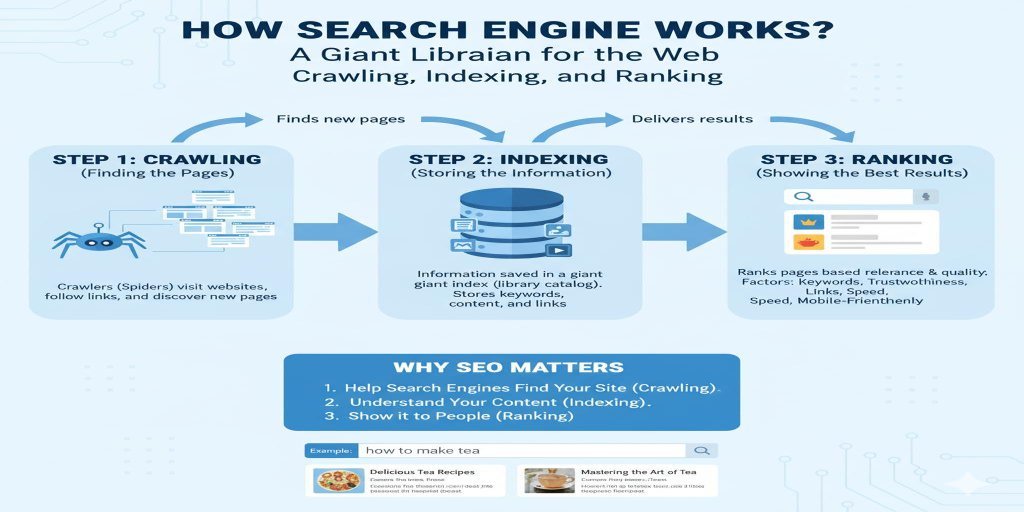
Organic traffic refers to visitors who reach your website through unpaid search engine results. Instead of paying for advertisements, you create useful content and optimize your website so people can discover it when searching for relevant information.
In this beginner-friendly guide, you will learn what organic traffic means, why it matters, how to increase it, and which free tools can help you monitor your progress.

What Is Organic Traffic?
Organic traffic is the number of visitors who arrive at your website through unpaid search engine listings.
For example, imagine someone searches Google for “best free image compressor.” They find your website in the search results and click your page to use your image compression tool.
That visitor is generally counted as organic search traffic.
Organic traffic can come from search engines such as:
- Bing
- Yahoo
- DuckDuckGo
- Other search platforms
Unlike paid advertising, organic search traffic does not require you to pay for each click.
However, building organic traffic requires time, content development, website optimization, and ongoing maintenance.
Organic Traffic vs Paid Traffic

Both organic and paid traffic can help businesses attract visitors, but they work differently.
| Feature | Organic Traffic | Paid Traffic |
|---|---|---|
| Cost per click | No direct advertising charge | Usually paid |
| Traffic source | Unpaid search results | Sponsored advertisements |
| Long-term value | Can continue over time | Depends on advertising budget |
| Ranking control | Search engines decide | Advertisers control campaigns |
| Results | Often take time | Can begin quickly |
| Main strategy | SEO and useful content | Advertising campaigns |
Organic traffic is especially useful for website owners who want to build sustainable visibility without depending entirely on advertising.
Why Is Organic Traffic Important?

Organic traffic offers several important advantages.
1. It Can Bring Consistent Visitors
A useful article that ranks for relevant searches may continue attracting visitors for months or even years.
However, rankings can change, so regular monitoring and content updates are important.
2. It Helps Build Website Credibility
When people discover useful content through search engines, they have an opportunity to learn about your website and explore other resources.
3. It Reduces Dependence on Advertising
Organic search can attract visitors without requiring an advertising payment for every click.
4. It Reaches People With Specific Interests
Someone searching for “how to convert PDF to JPG” already has a specific need. A helpful article or tool page can provide a relevant solution.
5. It Supports Business Growth
Organic visitors may become customers, subscribers, returning readers, or users of your online services.
10 Effective Ways to Increase Organic Traffic

Here are ten practical strategies that can help increase your website’s organic search traffic.
1. Perform Keyword Research
Keyword research helps you understand what people search for online.
Before writing an article, identify the main search phrase and related questions your audience may have.
For example, if your website offers image tools, potential keywords include:
- Free image compressor online
- How to resize an image
- Convert JPG to PNG
- Reduce image file size
- Online image cropper
Choose keywords that accurately match your page and the search intent behind them.
2. Publish Helpful and Original Content
Content is an important part of organic traffic growth.
Create articles, tutorials, guides, and tool pages that solve real problems.
For example, instead of publishing a short article titled “Image Compressor,” create a useful guide explaining how image compression works, how to reduce image size, and how to maintain image quality.
Avoid publishing large numbers of repetitive or low-value pages simply to target different keywords.
3. Optimize Your Page Titles
Your SEO title should describe the page clearly and naturally.
For example:
Weak title: Image Tool Online
Better title: Free Online Image Compressor – Reduce Image Size Easily
A descriptive title helps visitors understand what your page offers.
4. Improve Your On-Page SEO
On-page SEO helps search engines and visitors understand your content.
Important elements include:
- Main headings and subheadings.
- Naturally placed keywords.
- Descriptive image alt text.
- Relevant internal links.
- Clear page structure.
- Useful meta descriptions.
- Original and readable content.
Do not force keywords into every paragraph. Write naturally for your audience.
5. Improve Website Loading Speed

Slow websites can frustrate visitors and make important features difficult to use.
Improve performance by:
- Compressing large images.
- Using suitable image formats.
- Removing unnecessary plugins.
- Choosing reliable hosting.
- Enabling appropriate caching.
- Reducing unnecessary scripts.
- Using a content delivery network when suitable.
You can test your website using Google PageSpeed Insights.
6. Make Your Website Mobile-Friendly
Many visitors browse websites through smartphones.
Your pages should display properly on different screen sizes.
Check that:
- Text is readable.
- Buttons are easy to tap.
- Menus work correctly.
- Images fit the screen.
- Tables do not break the layout.
- Important content is accessible.
A good mobile experience makes your website more convenient for visitors.
7. Use Internal Linking
Internal links connect one page on your website to another.
For example, an article about image compression can link to your image resizing tool, image conversion guide, and image format tutorial.
Internal links help visitors discover related content and help search engines understand relationships between pages.
Use descriptive anchor text instead of generic phrases such as “click here.”
8. Earn Relevant Backlinks
Backlinks are links from other websites pointing to your pages.
Relevant backlinks can help search engines discover your content and provide signals about your website’s reputation.
You can work toward earning backlinks by:
- Publishing original research.
- Creating useful free tools.
- Writing expert tutorials.
- Contributing valuable guest articles.
- Building relationships with relevant website owners.
Avoid buying spam links or participating in manipulative link schemes.
9. Update Existing Content

Old articles may contain outdated information, broken links, or missing details.
Review important pages regularly and update them when necessary.
For example:
- Replace outdated screenshots.
- Correct inaccurate information.
- Add useful explanations.
- Update broken external links.
- Improve confusing headings.
- Add relevant examples.
Only update content when the changes genuinely improve its usefulness.
10. Monitor Your Search Performance
You cannot improve your SEO strategy effectively without understanding how your website performs.
Use Google Search Console to monitor:
- Total clicks.
- Search impressions.
- Average position.
- Search queries.
- Pages receiving organic visits.
- Indexing information.
Identify pages that receive impressions but relatively few clicks. Consider whether their titles and descriptions clearly communicate the value of the page.
Best Free Tools to Monitor Organic Traffic
| Tool | What It Does |
|---|---|
| Google Search Console | Measures Google search performance |
| Google Analytics 4 | Tracks website visits and user activity |
| Google Trends | Explores search interest over time |
| Google Keyword Planner | Supports keyword research |
| Bing Webmaster Tools | Monitors Bing search visibility |
| PageSpeed Insights | Tests website performance |

Google Analytics 4: Open Google Analytics to understand website traffic sources and user interactions.
Google Search Console: Open Google Search Console to monitor clicks, impressions, queries, and Google indexing information.
These tools provide complementary information. Search Console measures Google Search performance, while Analytics helps analyze activity on your website.
Common Mistakes That Reduce Organic Traffic
Avoid these common SEO mistakes:
- Publishing copied or duplicate content.
- Targeting irrelevant keywords.
- Ignoring search intent.
- Using misleading SEO titles.
- Neglecting mobile optimization.
- Allowing important pages to remain inaccessible.
- Creating excessive low-quality backlinks.
- Ignoring broken links and technical errors.
- Publishing content without a clear audience.
- Expecting immediate ranking improvements.
Remember that organic traffic growth depends on several factors, including competition, content usefulness, website quality, and search engine changes.
Conclusion
Organic traffic is one of the most valuable opportunities for growing a website through search engines. It helps you reach people who are already searching for information, products, tools, or services related to your content.
Start with keyword research, publish helpful articles, optimize your pages, improve website performance, and monitor your results using free SEO tools.
Most importantly, focus on providing genuine value to visitors instead of chasing rankings alone. Consistent improvements can help build a stronger website and a more sustainable source of organic traffic.
Article 3 of 100 completed
Next: Article 4 – What Is Keyword Research? A Complete Beginner’s Guide.
We will continue the 100-article sequence one article at a time, ending at Article 100.
Frequently Asked Questions
Organic traffic refers to visitors who reach your website through unpaid search engine results.
There is no direct payment for each organic search click. However, creating and maintaining an SEO-friendly website may involve hosting, content, development, and marketing expenses.
There is no guaranteed shortcut. Start by improving existing useful pages, researching relevant keywords, fixing technical problems, and creating content that satisfies search intent.
Learn what organic traffic is and discover 10 practical SEO strategies to attract more free visitors from search engines to your website.
- Which tool is best for checking organic traffic?
Google Search Console is useful for measuring Google Search clicks and impressions. Google Analytics 4 helps analyze visits and user behavior on your website.